On August 1st, a collaborative seminar focusing on cutting-edge innovations in chromatography analysis technology was successfully held at Peking University Shenzhen Graduate School. Dr. Jian Ma, Founder and CEO of Shenzhen XtalPi Co., Ltd., led a core team to visit the campus and engaged in in-depth discussions on the industry prospects of AI- and robotics-driven drug discovery. Vice Dean Tianbing Wang attended the seminar, which was chaired by Associate Professor Fanyang Mo from the School of Advanced Materials (SAM).
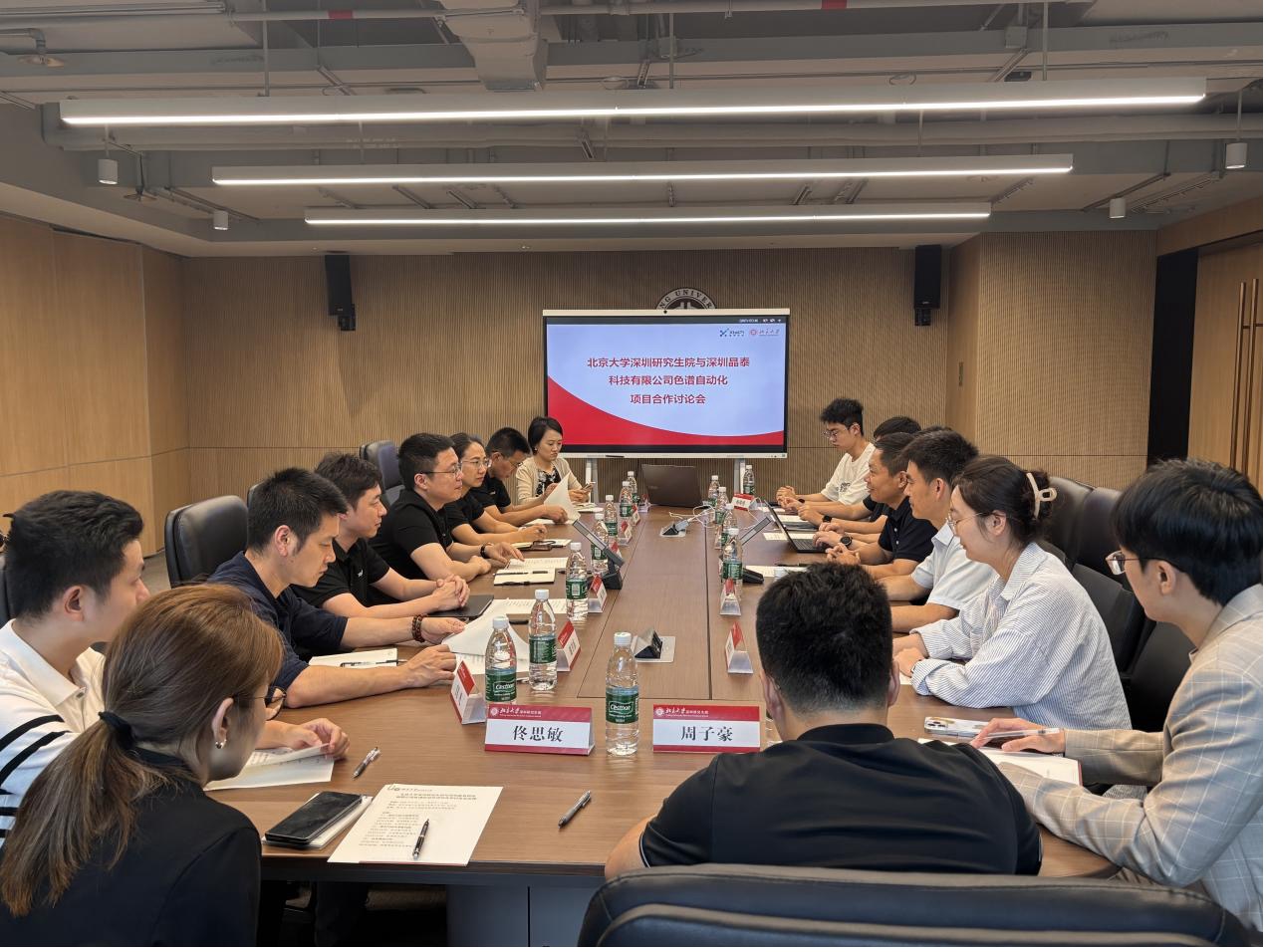
Figure 1. Conference site
At the beginning of the seminar, leaders from both sides delivered opening remarks, outlining the objectives of the collaborative event and expressing their shared vision for a strong partnership. In his welcome address, Tianbing Wang introduced the foundational strengths and distinctive features of Peking University Shenzhen Graduate School in disciplinary development and affirmed the intention to jointly build an intelligent experimental platform. Dr. Jian Ma then presented the development journey of XtalPi and shared the company’s mission and vision for the future. Following this, the team of Prof. Mo gave a detailed presentation on their innovative research in AI-based chromatography modeling, intelligent decision-making for complex sample analysis, and automated chromatography platforms, which sparked enthusiastic discussions between the two sides.
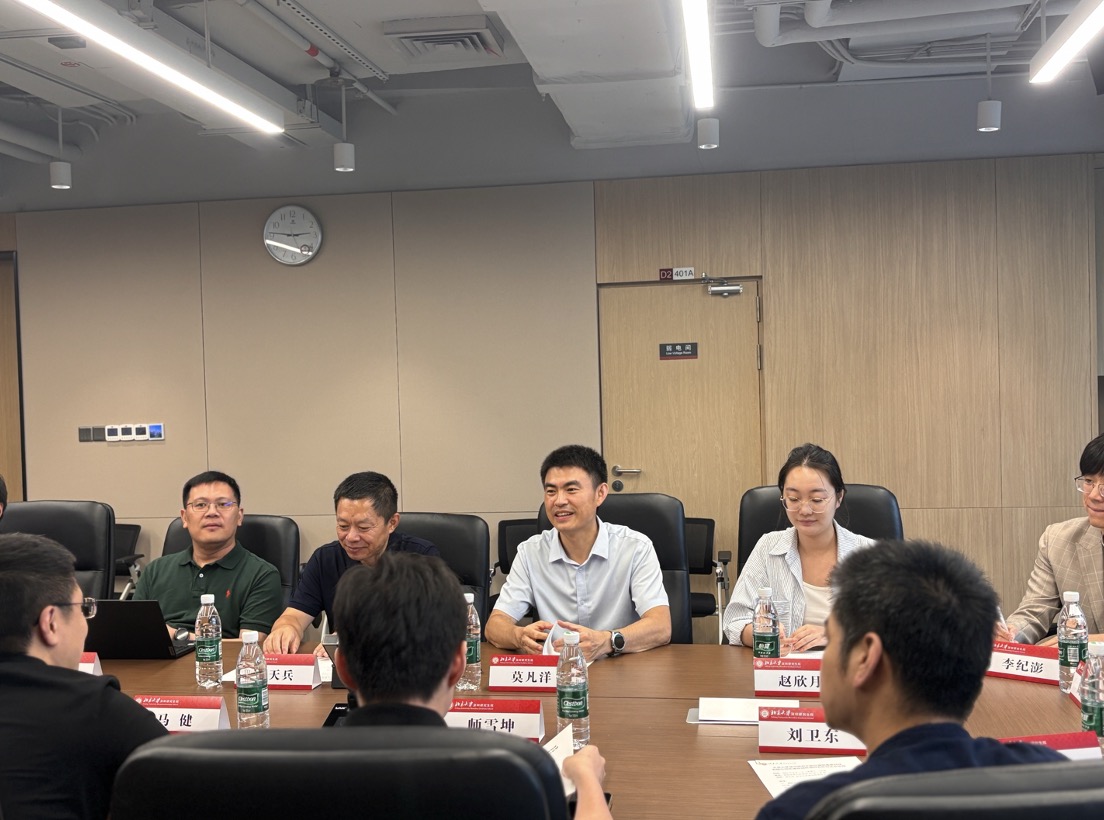
Figure 2. Presentation by Professor Fanyang Mo
Following the seminar and discussions, both parties visited Prof. Mo’s Chromatography Automation Laboratory. The lab team gave a live demonstration of two automated chromatography platforms in operation. In the column chromatography automation platform, a robotic arm precisely performed a series of operations—including column packing, sample loading, gradient elution, fraction collection, and solvent removal via rotary evaporation—without any human intervention. In the preparative thin-layer chromatography automation platform, algorithms accurately identified compound bands and planned the collection path, while the robotic arm executed precise milling and collection of target components. These platforms vividly showcased their advantages in achieving high precision and high throughput, highlighting the potential of fully automated chromatography workflows. The underlying design concepts closely aligned with XtalPi’s business needs, sparking further in-depth discussions between the two teams.

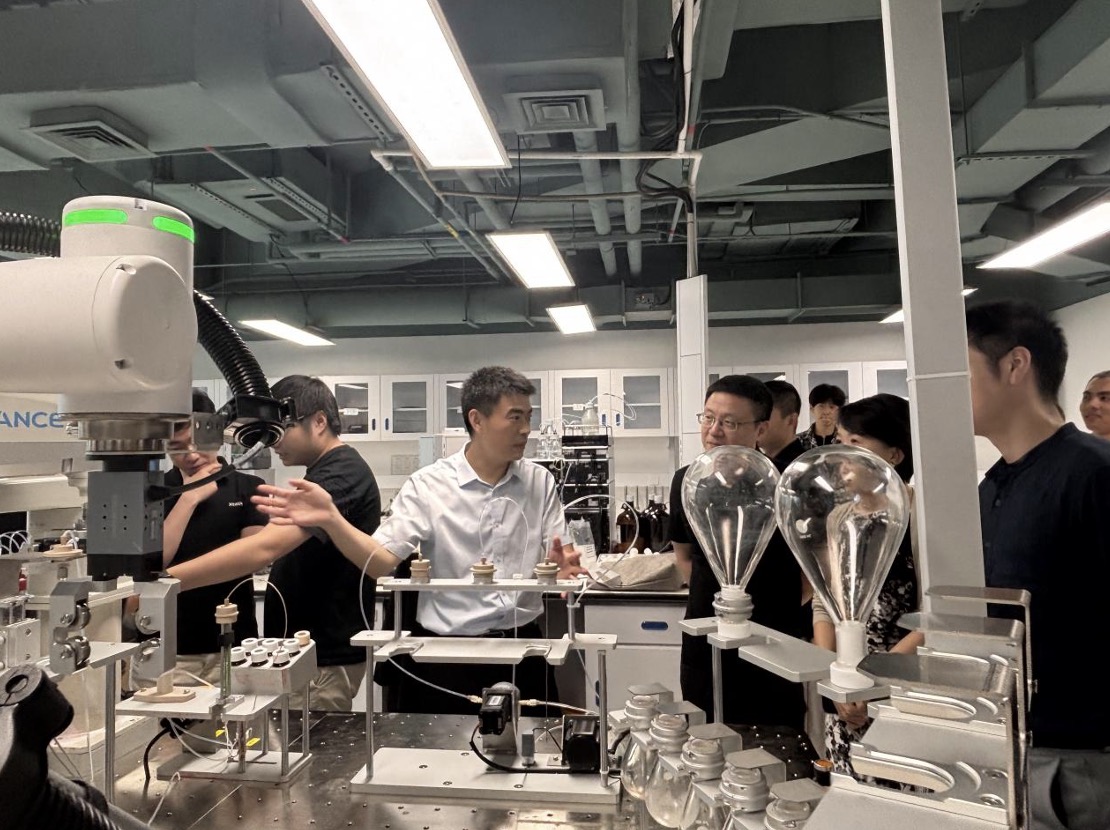
Figure 3. Laboratory Visit
After in-depth technical discussions and hands-on evaluations, both parties reached a consensus on future collaboration. They unanimously agreed to build upon the strong foundation established through this seminar to further refine the cooperation model and content. Moving forward, both sides will deepen their strategic alignment in constructing AI- and robotics-driven intelligent experimental platforms, and jointly explore diversified collaborations in areas such as technology development, platform co-construction, and talent cultivation—centered on automation and intelligent solutions for key steps in chromatographic analysis.
This collaborative seminar is a significant manifestation of our institute’s active implementation of the “AI for Science” (AI4S) strategic initiative, and of our efforts to promote the integrated development of basic research, applied research, and achievement transformation. As an innovative, platform-based technology company, XtalPi is rooted in cutting-edge technologies such as AI and robotic experimental platforms. The potential collaboration between our research team and XtalPi in the field of chromatography automation is expected to break through key technical bottlenecks in traditional organic synthesis research, enhance research efficiency and data reliability, and inject powerful external momentum into the development of academic disciplines. Driven by real-world demands, this partnership aims to accelerate the translation of high-level scientific research into practical productivity.
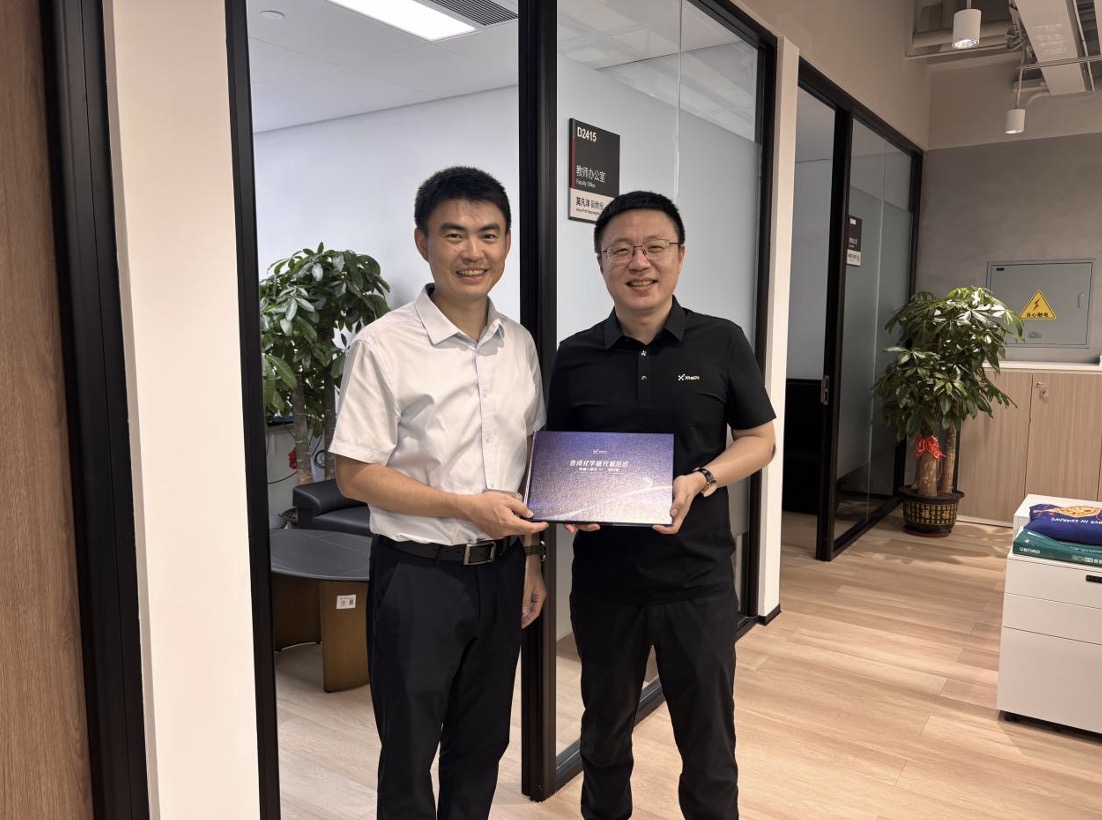

Figure 4. Group Photo