


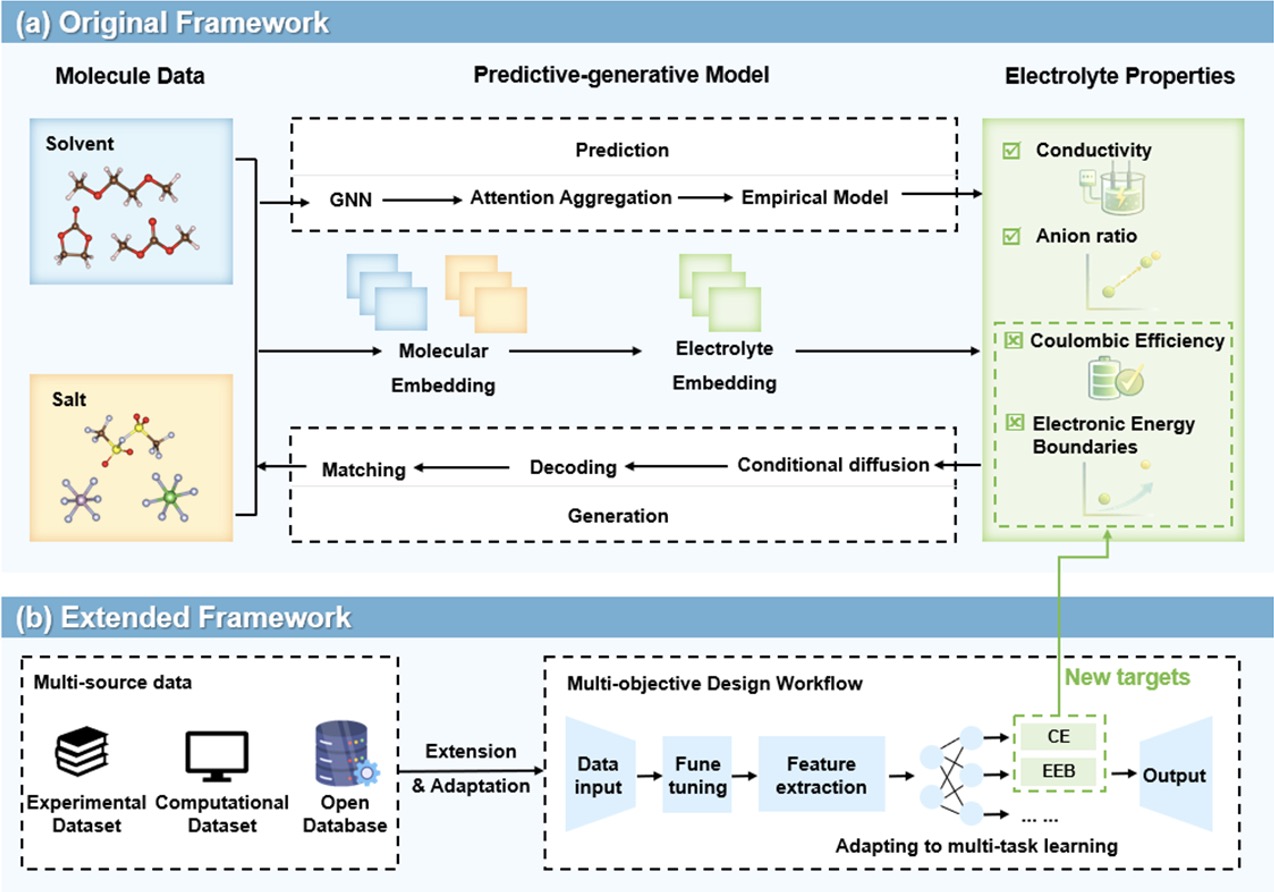
Nat. Mach. Intell. | Zheng Group Probes Generalization Limits and Cross-Scale Extension of Electrolyte Formulation Models
Electrolytes are central to advanced batteries, governing ion transport, electrode–electrolyte interfacial stability, and cycle life. Yet the vast chemical space of electrolyte formulations—combined with complex solvation structures, ion coordination behavior, and dynamic interfacial reactions—makes precise design exceptionally challenging. In lithium metal batteries, electrolyte decompositi...
Aug 14, 2026
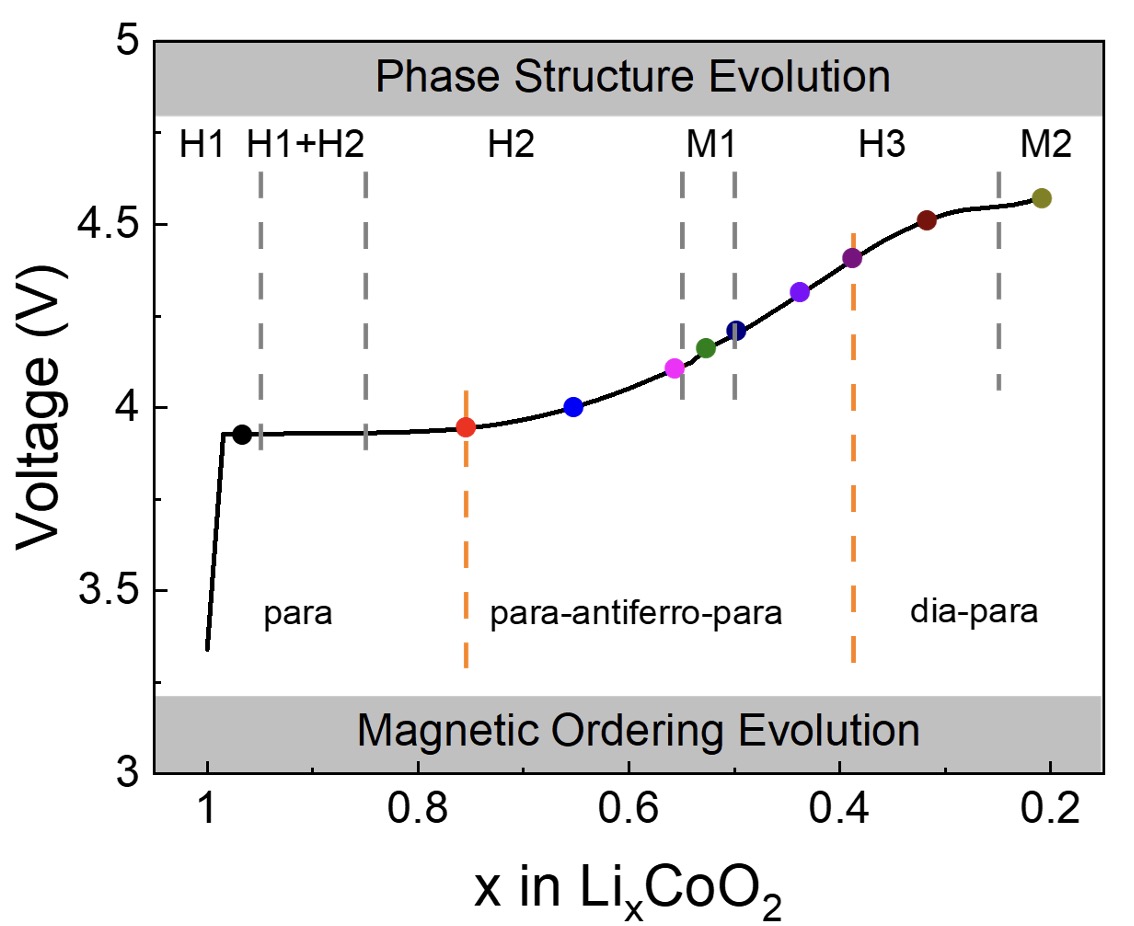
Angew. Chem. Int. Ed. | Prof. Feng Pan's Group: Correlating Structure Change with Magnetic Ordering and Spin Fluctuation during Delithiation of Layered Cathode Materials for Lithium-Ion Batteries
The electrochemical performance of lithium-ion batteries is fundamentally governed by electron transfer and lithium-ion intercalation/deintercalation within electrode materials. While extensive research has focused on structural changes during electrochemical cycling, the concurrent evolution of magnetic properties and electron spins—arising from redox reactions of transition metals or lattice...
Jun 25, 2026
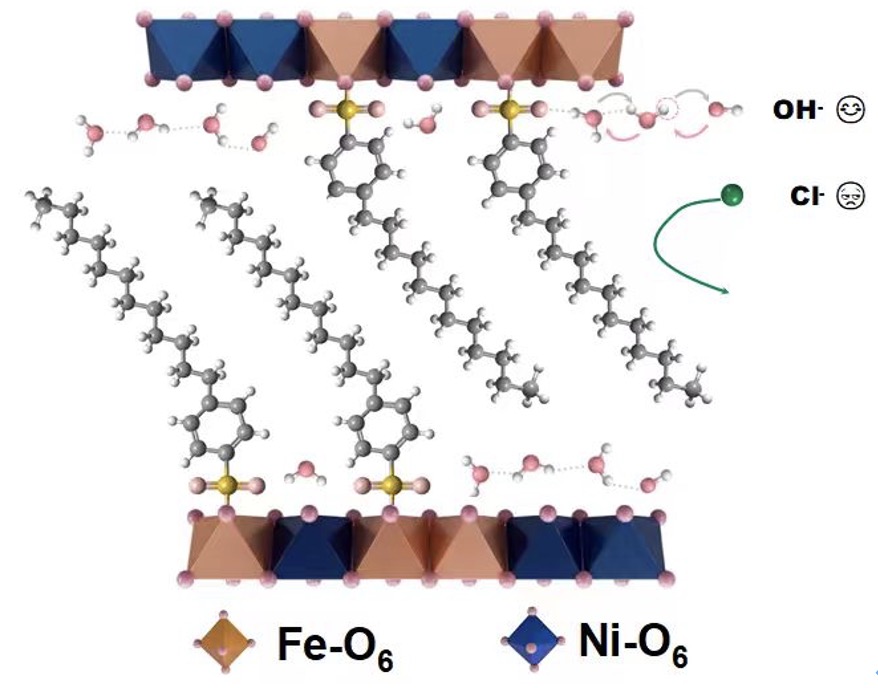
Adv. Mater. | Prof. Shihe Yang's Group: Tailoring 2D Catalyst Microenvironment via Amphiphilic Self-Assembling Intercalants for Efficient and Stable Seawater Oxidation
Hydrogen production via direct seawater electrolysis is an ideal pathway for a sustainable energy transition and a net-zero carbon future. However, during the anodic oxygen evolution reaction (OER), high concentrations of chloride ions (Cl-) in seawater trigger severe competing reactions (the chlorine evolution reaction) and catalyst corrosion, leading to the rapid deactivation of conventional ...
Jun 12, 2026
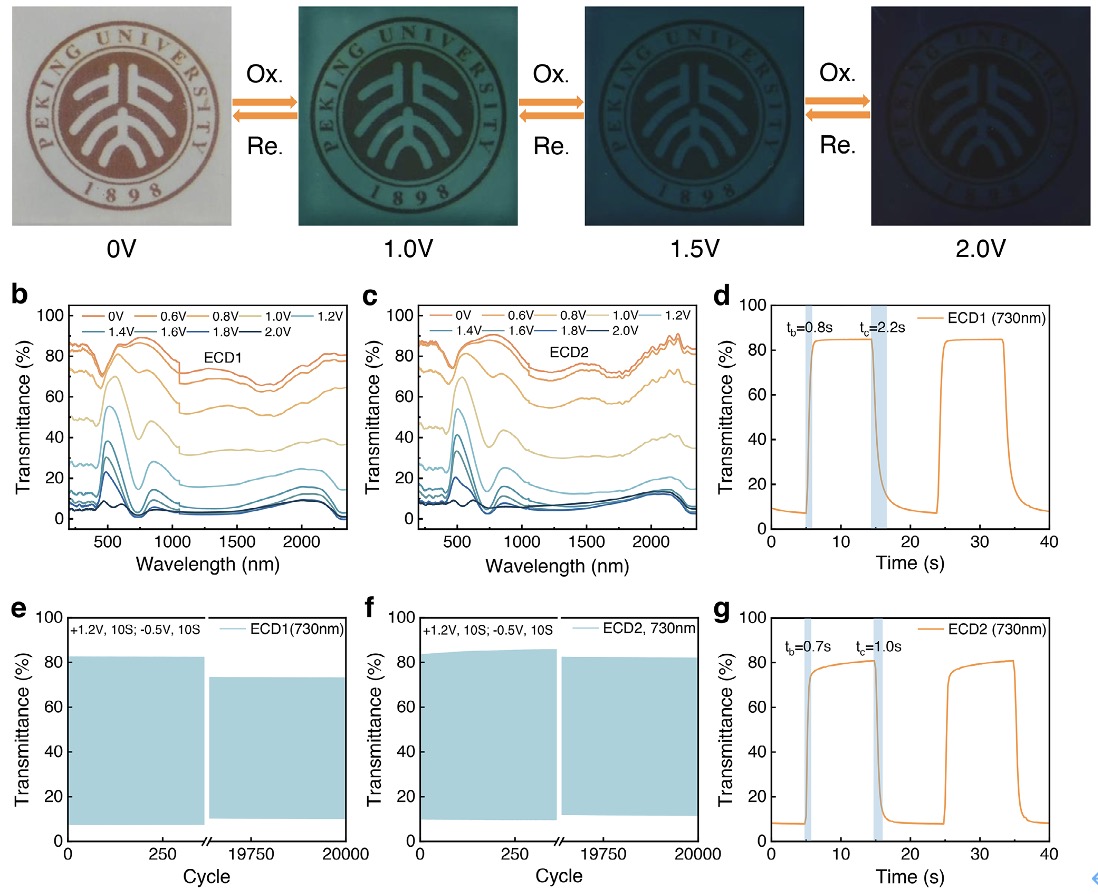
Adv. Energy Mater.|Meng Group’s Research Highlights: Bipolar Design Enables Full-Spectrum Modulation and Ultra-Cyclable Electrochromic Smart Windows
Buildings account for nearly 30% of global energy consumption, with windows and doors responsible for 30–50% of energy loss. Electrochromic (EC) smart windows, which can dynamically regulate solar light transmission under an external electric field, offer a promising solution to reduce cooling and heating loads. However, conventional EC systems still face key challenges: inorganic materials su...
Jun 5, 2026
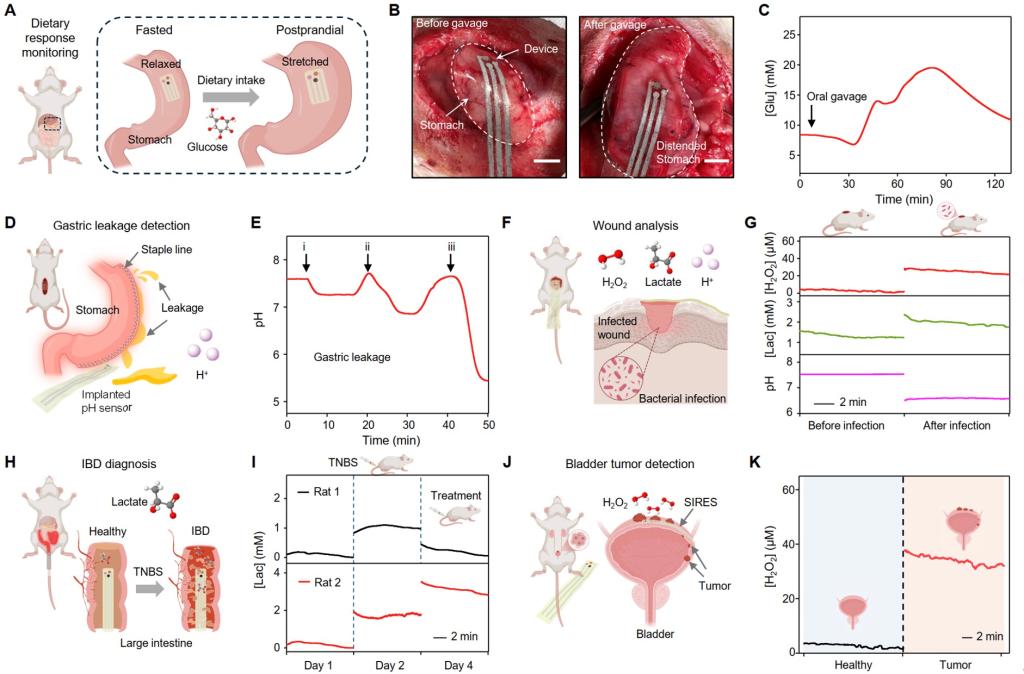
Science|From Stretchable to Strain-Resilient: Prof. Yadong Xu Reports a New Bioelectronic Interface for Tracking Molecular Signals on Dynamic Tissues
Researchers from Peking University and the California Institute of Technology have developed a strain-resilient, intrinsically stretchable electrochemical biointerface that can maintain reliable molecular readings under large mechanical deformation. The study, titled “Strain-resilient intrinsically stretchable electrochemical biointerfaces,” was published online inScience. Prof. Yadong Xu fro...
Jun 1, 2026
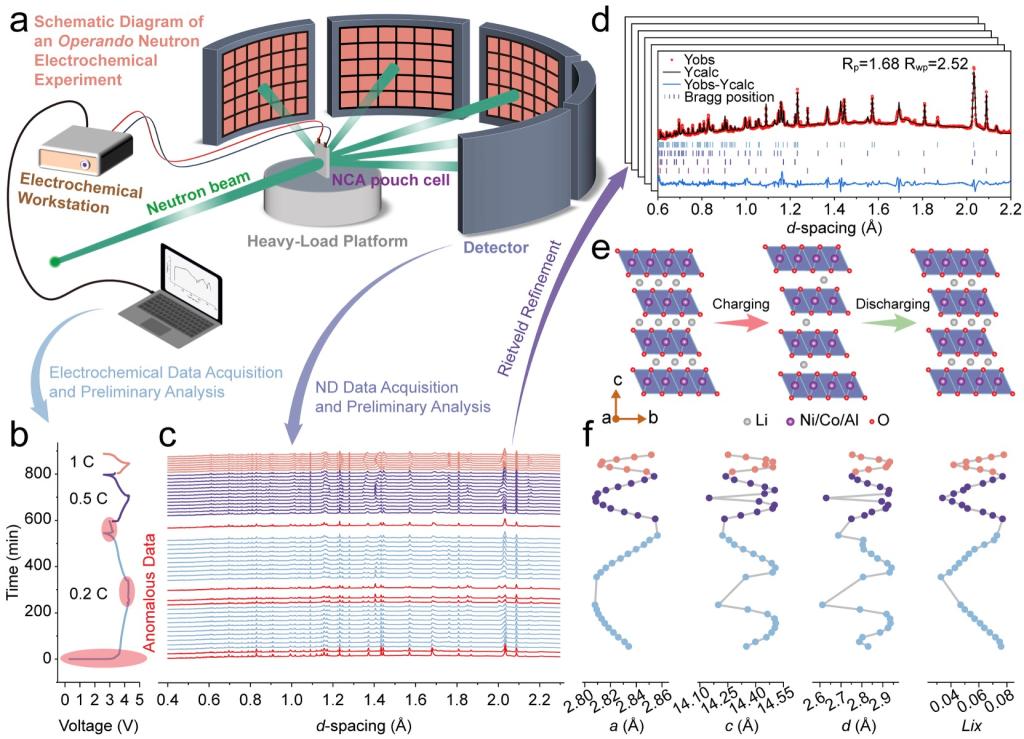
J. Energy Chem.|Prof. Yinguo Xiao's Team Achieves Progress in Employing Machine Learning Methods to Empower Research at Large-Scale Neutron Facilities
The demand for faster charging in electric vehicles continues to rise, bringing the performance degradation of lithium-ion batteries (LIBs) under high-rate conditions to the forefront. To uncover the mechanisms underlying such macroscopic failures, it is critical to elucidate the microscopic crystal structure evolution of electrode materials during charge and discharge. Neutron diffraction (ND)...
May 28, 2026
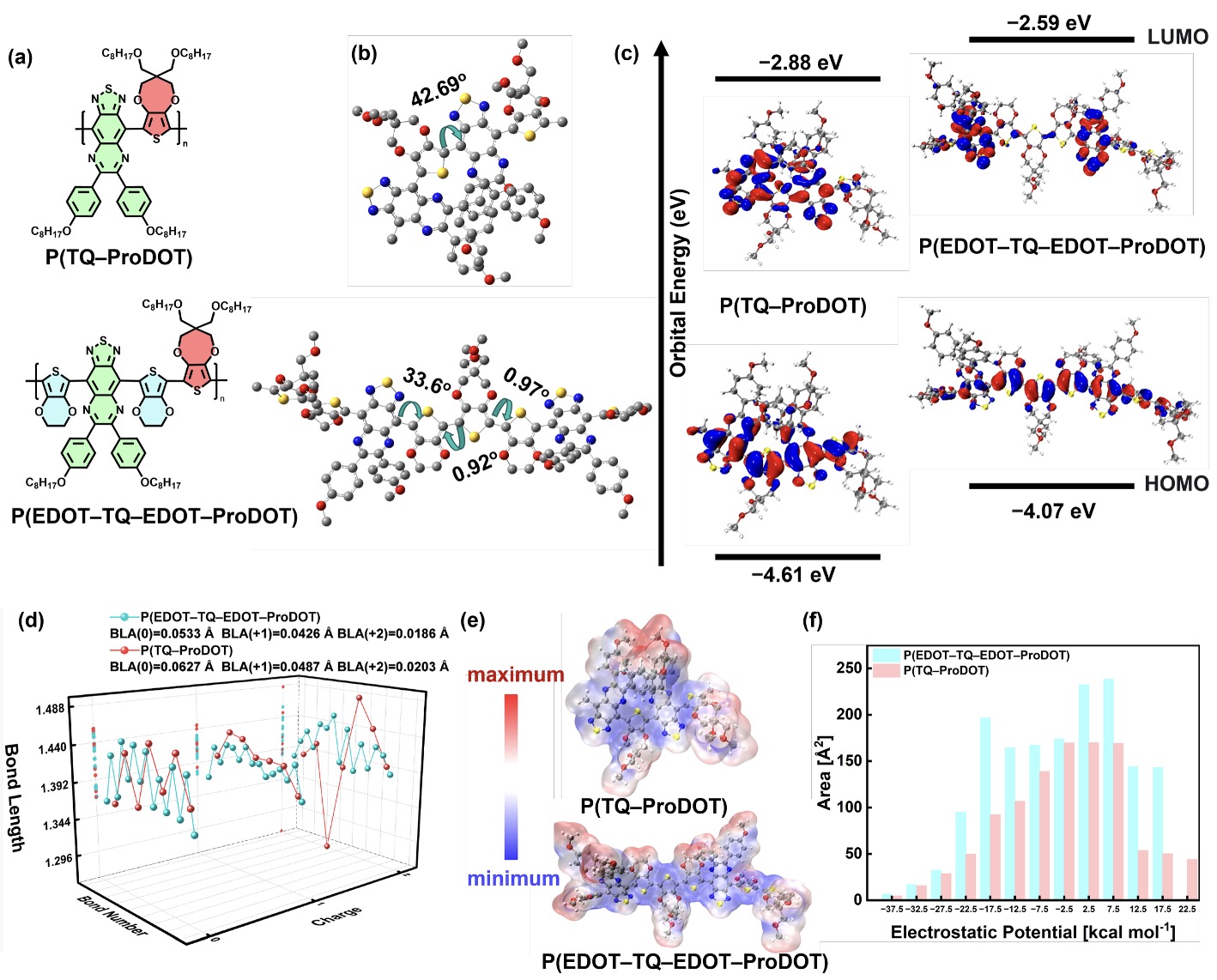
Adv. Energy Mater.|Meng Group’s Research Highlights: Quinoid Donor–Acceptor Polymers Enable Visually Silent NIR-Selective Smart Windows
Building windows are important pathways for solar radiation entering indoor spaces and for heat exchange between buildings and the outdoor environment, directly affecting cooling, heating, and lighting energy consumption. With the widespread use of large-area glass curtain walls in modern architecture, smart window materials capable of on-demand solar regulation have become an important directi...
May 22, 2026
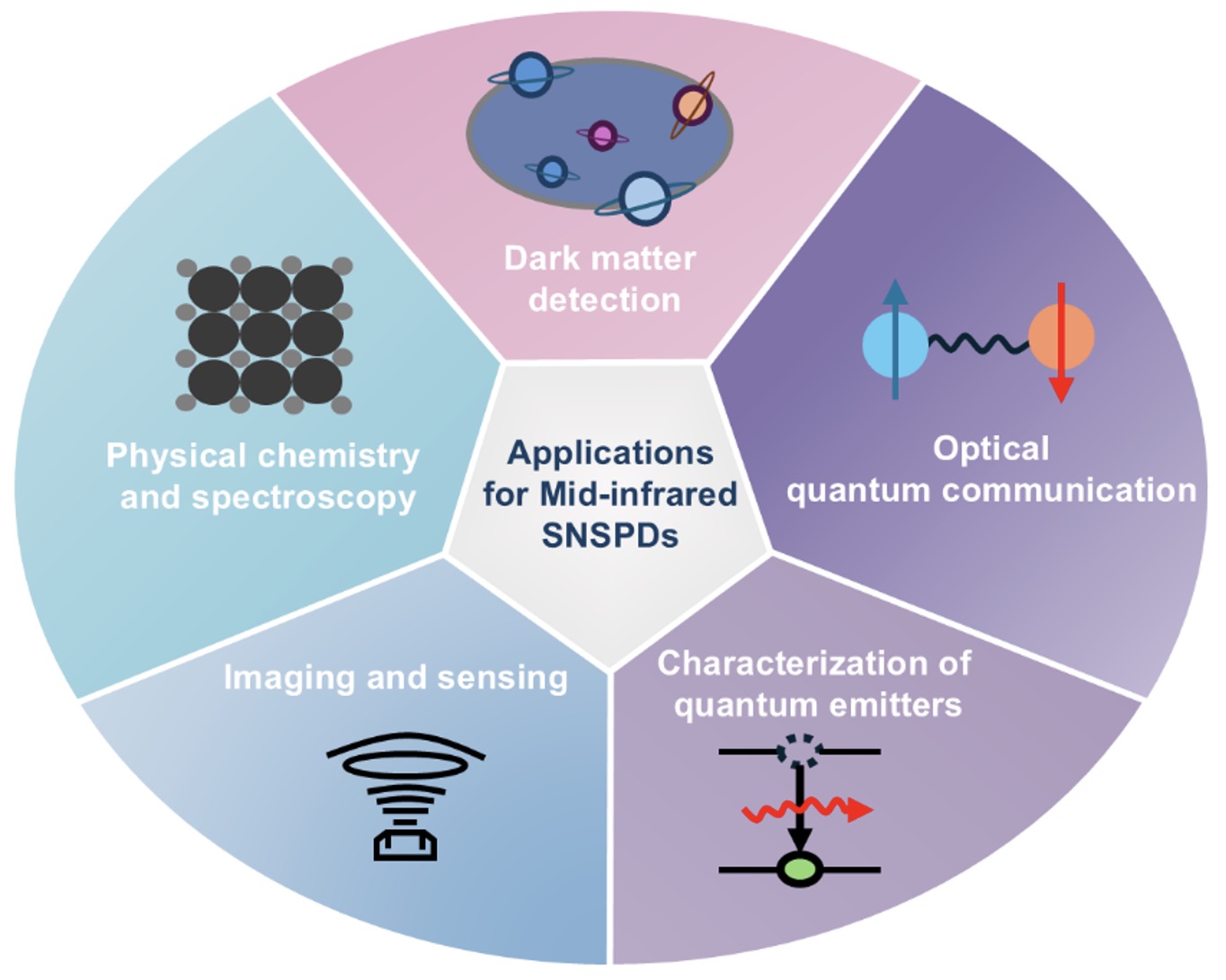
Device|Ligang Wang’s Group Publishes a Review about Mid-Infrared Superconducting Single-Photon Detectors
Recently, Ligang Wang’s group from the School of Advanced Materials, Peking University, in collaboration with the Shenzhen International Quantum Academy (SIQA) and KTH Royal Institute of Technology, published a review article on mid-infrared superconducting single-photon detectors. The article, entitledSuperconducting nanowires for mid-infrared single-photon detectors, was published online on ...
May 21, 2026
Nat. Commun.|Prof. Shihe Yang's Team Achieves 21.54% Efficiency in All-Inorganic Perovskite Tandem Solar Cells via 1D/3D Heterojunction
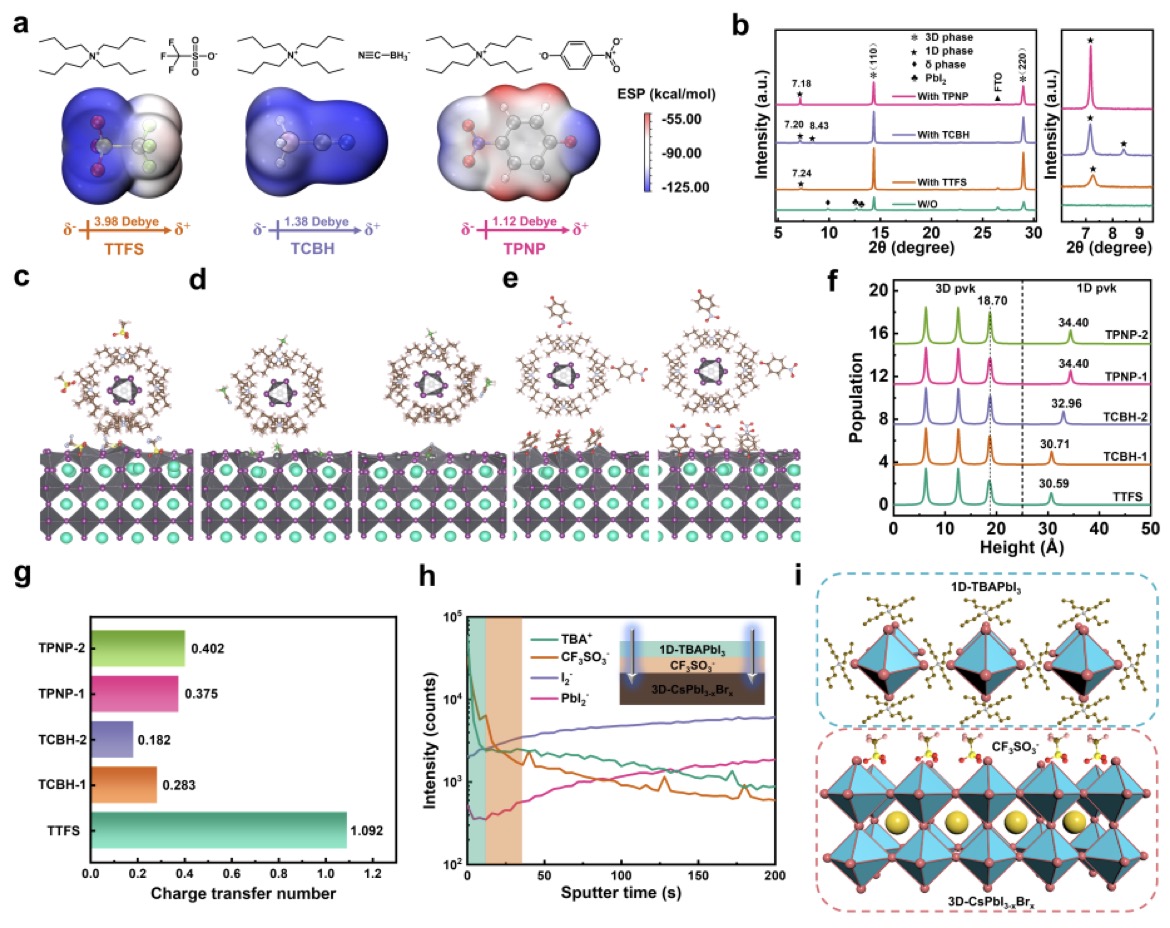
Recently, the research team of Prof. Shihe Yang from, in collaboration with the team of tenured Associate Prof. Hang Zhou from the School of Electronic and Computer Engineering, published a research paper titled "Self-assembled 1D/3D heterojunction enables all-inorganic perovskite 4-terminal tandem solar cells with 21.54% certified efficiency" in the prestigious international journal Nature Com...
May 12, 2026
Nat. Commun.|Prof. Zou’s Team Achieves Progress in Phase-Change Fibers for Wearable Thermoregulation
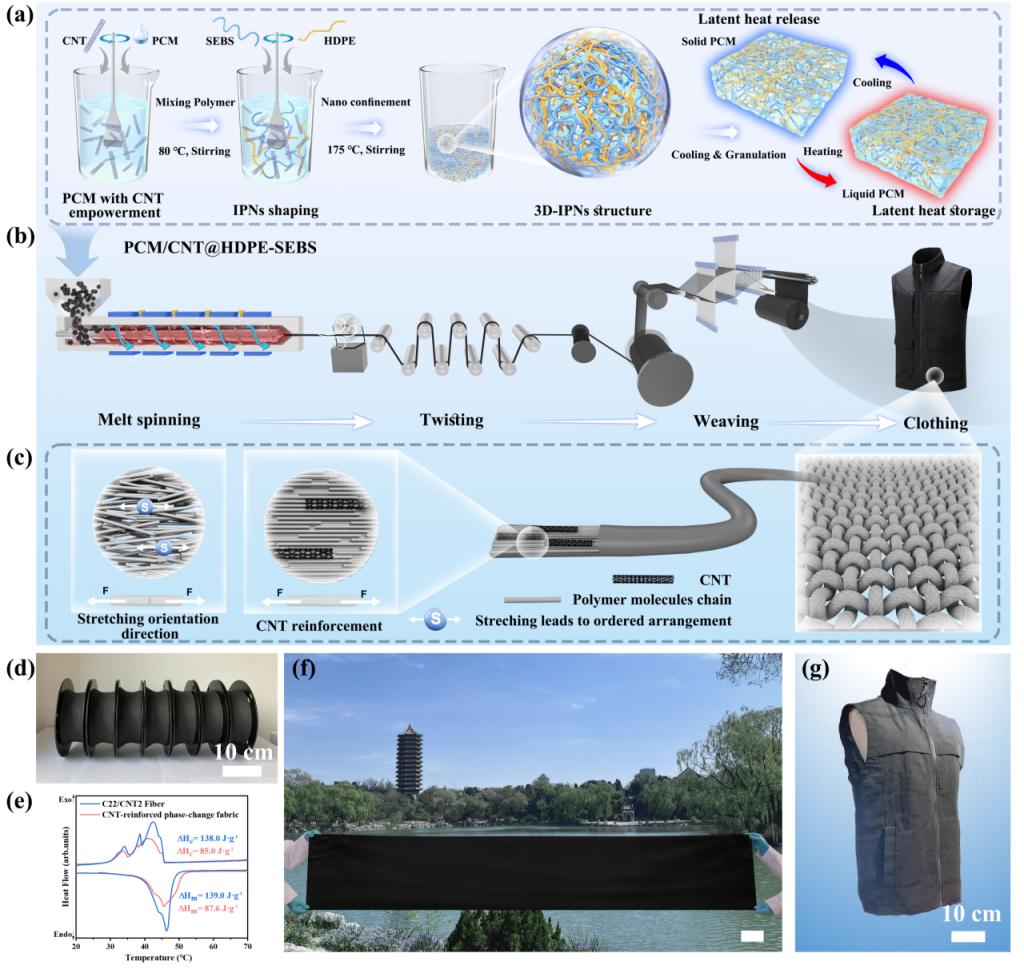
In the fields of smart wearables and personal thermal management, phase-change materials (PCMs) are regarded as a revolutionary solution. They can absorb or release large amounts of heat at specific temperatures, effectively providing fabrics with a “thermal buffering” capability. However, their practical application has long been constrained by a fundamental trade-off: pursuing high energy-s...
Mar 24, 2026
Adv. Mater. | Prof. Xiao’s Team Reports Progress on Achieving Reversible Oxygen Redox in Li-Rich Mn-Based Cathodes
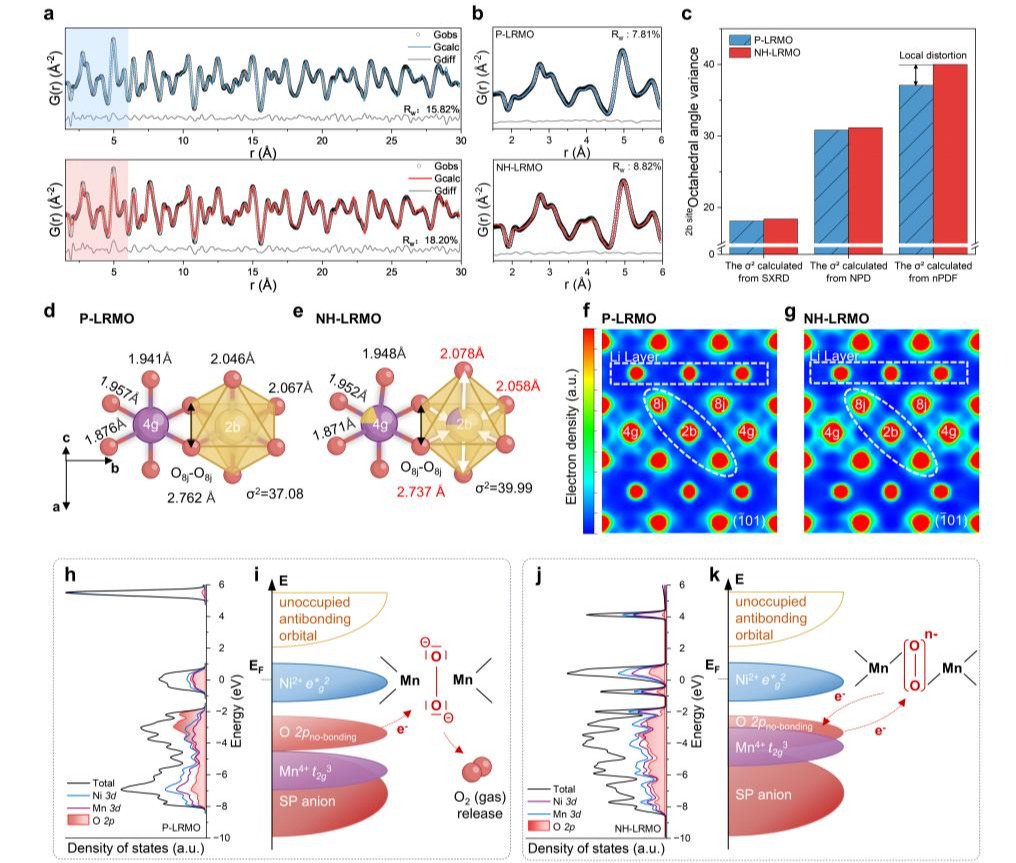
A research team led by Professor Yin-Guo Xiao from the School of Advanced Materials, Peking University Shenzhen Graduate School, has achieved significant progress in the study of Li-rich Mn-based layered oxide cathode materials. The findings are published in Advanced Materials under the title: “Reversible oxygen redox in Li-rich Mn-based cathodes achieved by regulating the local environments o...
Mar 1, 2026
Nat. Commun. | Prof. Mingchao Wang’s Team Reports High-Mobility 2D Conjugated Polymers Achieved Through Donor–Acceptor Engineering
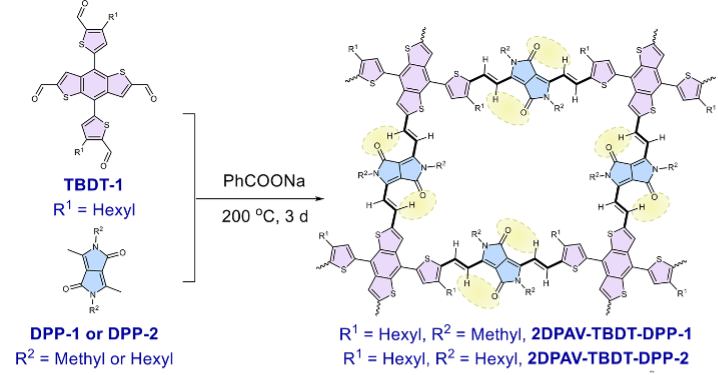
A research team led by Prof. Wang Mingchao from the School of Advanced Materials, Peking University Shenzhen Graduate School, in collaboration with international partners including the Max Planck Institutes, has developed a new class of two-dimensional (2D) conjugated polymers with substantially enhanced charge-carrier mobility. The work, published in Nature Communications, addresses a critical...
Feb 6, 2026
Nat. Chem.|A Universal Strategy to Synthesize Single-Crystalline 2D Conjugated Polymer Frameworks
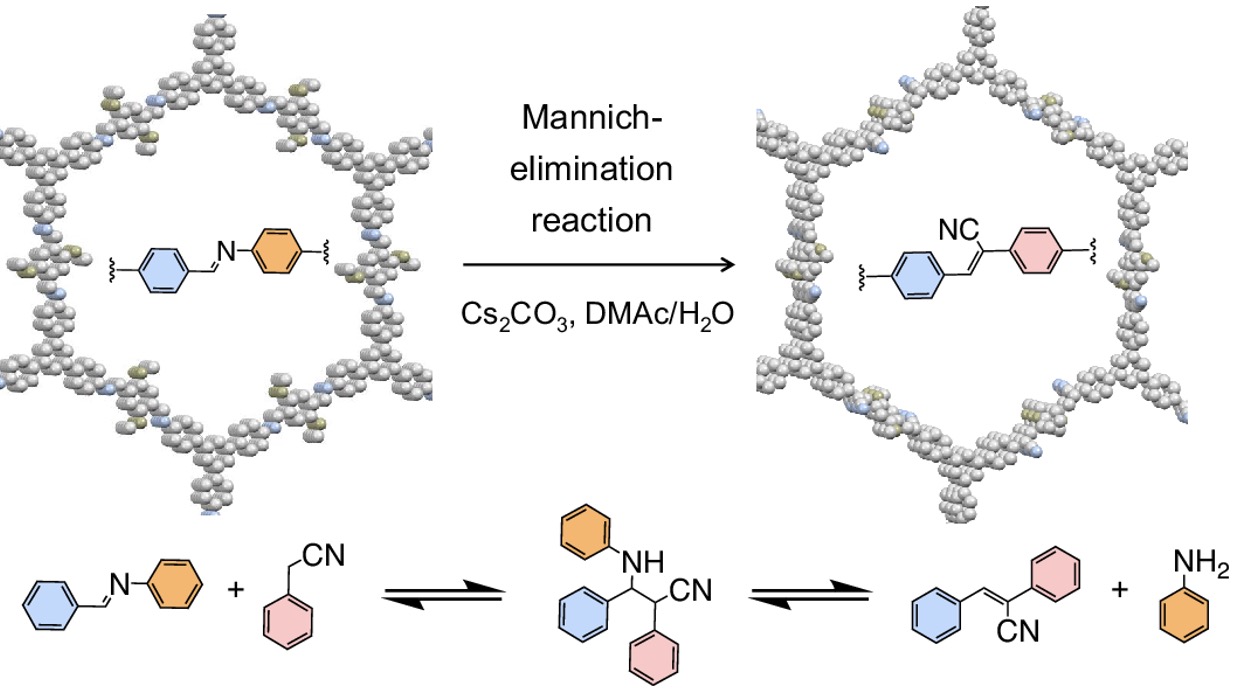
A collaborative research team led by Professors Ruqiang Zou and Mingchao Wang from the School of Advanced Materials, Peking University Shenzhen Graduate School, has developed a novel approach for fabricating highly crystalline two-dimensional (2D) conjugated polymers. Published in Nature Chemistry, the work introduces a Mannich–elimination synthetic strategy that enables precise control over c...
Jan 22, 2026
JACS | Prof. Feng Pan’s Team Reports Progress on Regulating Nitrate Reduction to Ammonia via Hierarchical Hydrogen-Bond Networks
Electrocatalysis is a key technology for achieving sustainable energy conversion and carbon emission reduction. Currently, the dual challenges of high-concentration nitrate pollution in industrial wastewater and the enormous energy consumption of traditional Haber–Bosch ammonia synthesis pose serious environmental and energy problems. Electrocatalytic nitrate reduction reaction (NO3RR) offers ...
Nov 26, 2025

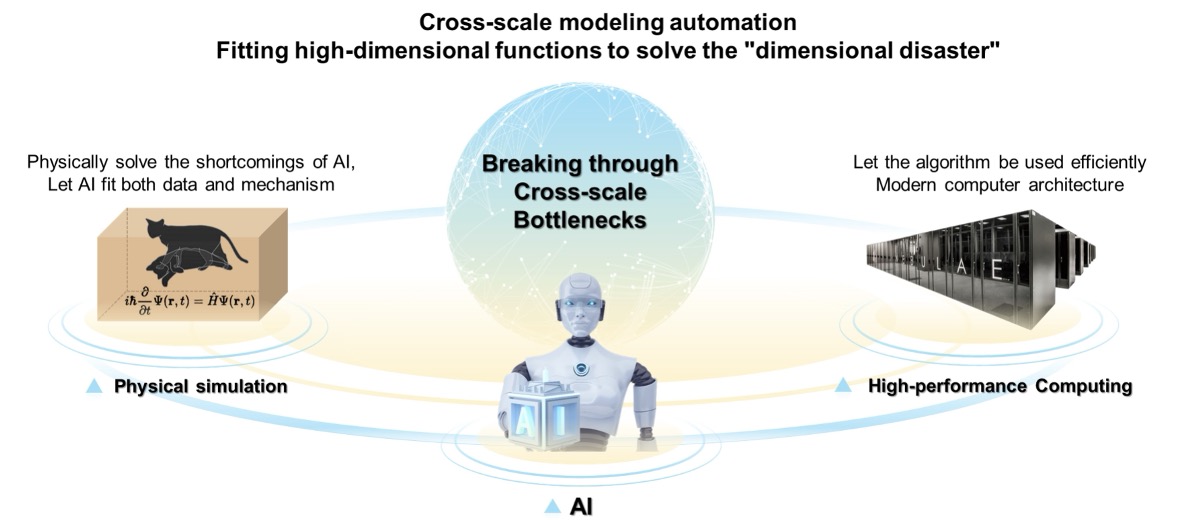
Natl. Sci. Openr | AI-Empowered Battery Design Automation (BDA) Software Accelerating Next-Generation Lithium-Ion Battery Development
Against the backdrop of global energy transition, lithium-ion batteries, as the core electrochemical energy storage technology, are facing severe challenges: the energy density of commercialized batteries is approaching its theoretical limit, while next-generation battery systems suffer from critical safety and cycle-life issues. These challenges stem from the inherently complex nature of batte...
Nov 10, 2025






Room 409, 4/F, Building D2, Nanshan Zhiyuan Phase II, Taoyuan Subdistrict, Nanshan District, Shenzhen 518055, P.R. China
0755-26038230
sam-admissions@pku.edu.cn

Copyright © 2025 北京大学新材料学院 Powered By its.pkusz.edu.cn ICP备案编号:粤ICP备12081285号

