We are delighted to welcome Dr. Ligang Wang as a new Principal Investigator, Assistant Professor, and Doctoral Supervisor at the School of Advanced Materials, Peking University Shenzhen Graduate School. He joined PKUSZ in January 2025.
Dr. Wang is a Newton International Fellow (Royal Society, UK) and has been recognized as a National Overseas High-level Young Talent. He earned his Ph.D. from the College of Chemistry and Molecular Engineering at Peking University in 2019. Subsequently, he conducted five years of postdoctoral research at two world-leading institutions: the Cavendish Laboratory (Department of Physics) at the University of Cambridge and the Department of Applied Physics at KTH Royal Institute of Technology in Sweden.
His research has led to multiple high-impact publications as first or corresponding author in journals including Science and Science Advances. Notably, his work was selected as one of the "Top 10 Scientific Advances in China 2019" by the Ministry of Science and Technology and was even featured in the 2020 National College Entrance Examination (Gaokao) science paper. He also co-authored work that earned a First-Class Prize in Natural Science from the Beijing Municipal Government in early 2025.
From Chemistry to Quantum Chips: A Journey of Interdisciplinary Discovery
Dr. Wang’s path to becoming a principal investigator is marked by intellectual curiosity and a willingness to embrace challenge. His journey took a decisive turn in 2014 when he was admitted to Peking University for graduate studies, joining the research group of Academician Yan Chunhua.
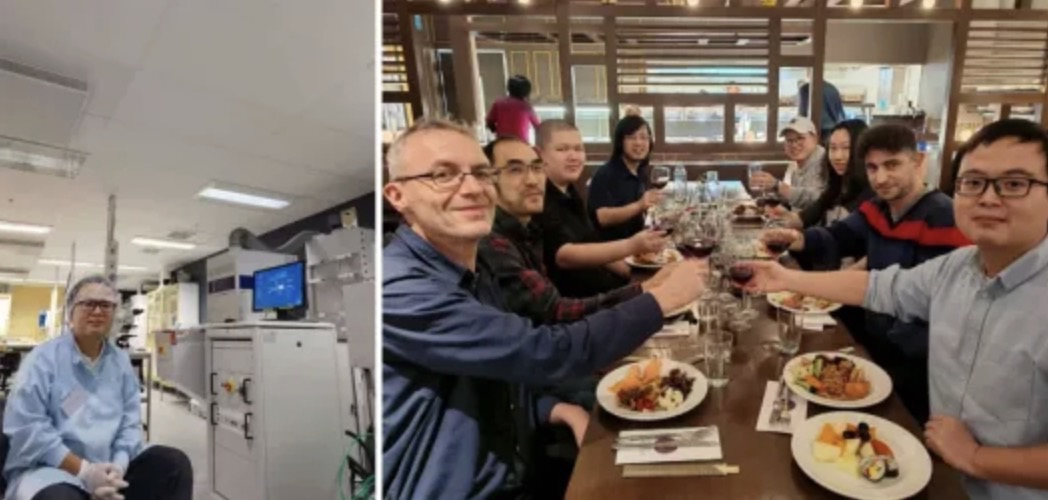
After completing his Ph.D., Dr. Wang’s drive to explore new frontiers led him to the University of Cambridge and then to KTH in Sweden. This period represented a significant transition from his background in chemistry into the demanding fields of physics, quantum optics, and semiconductor chip technology. To bridge this gap, he undertook a rigorous self-study program in advanced mathematics, quantum mechanics, and semiconductor physics, while mastering new experimental techniques. "It was much harder than I imagined," he recalls, "but those challenges solidified my commitment to pursuing original, high-impact research."

At Cambridge, he was deeply influenced by his mentor, Professor Sir Richard Friend, the 9th Cavendish Professor of Physics. "Professor Friend's dedication to science was inspiring," Dr. Wang says. "Even in his 70s, his passion for fundamental research and his ability to quickly grasp the core of a scientific problem left a lasting impression on me."
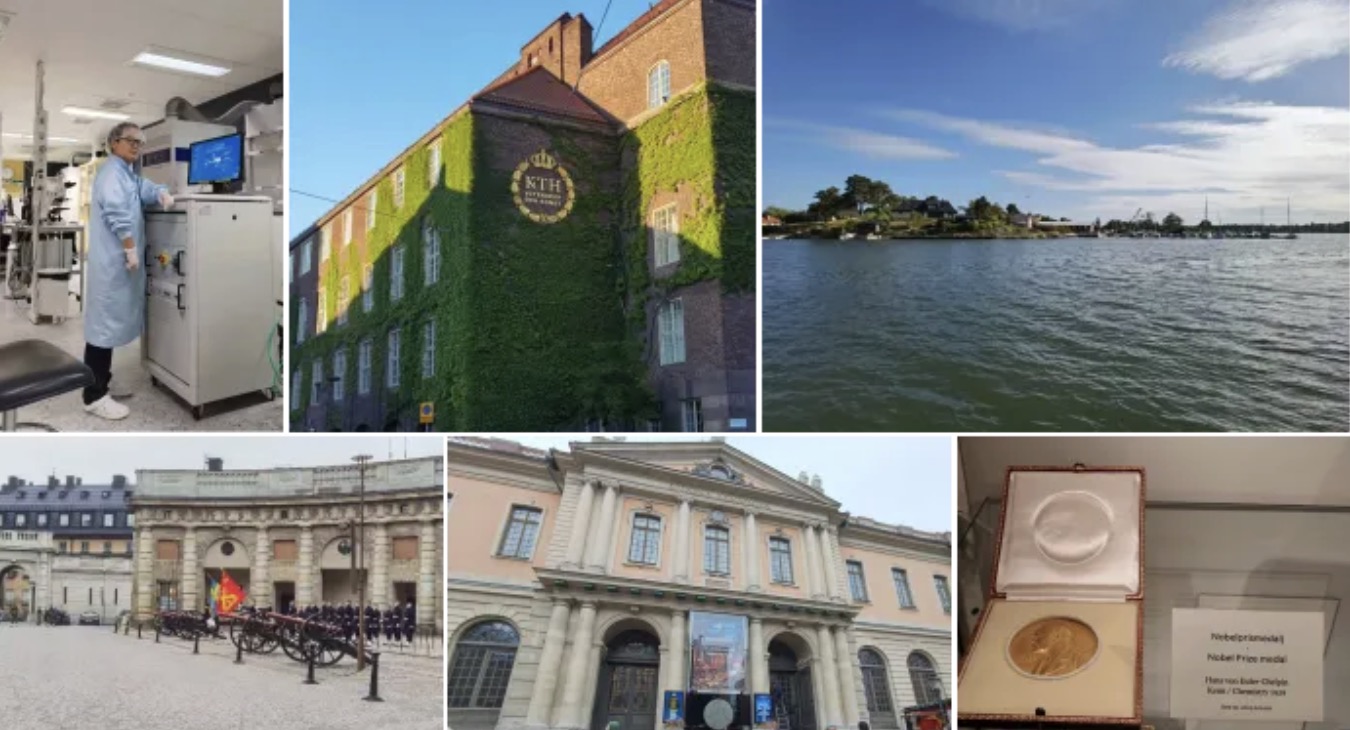
Seeking to broaden his expertise, Dr. Wang then moved to Sweden to join the quantum optics group of Professor Val Zwiller at KTH. This step introduced him to the cutting-edge field of quantum photonics. He worked on superconducting nanowire single-photon detectors (SNSPDs) and quantum light sources—technologies critical for quantum information, deep-space communication, and advanced LIDAR. "The company 'Single Quantum,' born from our host lab's technology in Sweden, is one of the pioneers in commercializing SNSPDs," Dr. Wang notes. "Our team at PKU is the first to pursue this specific area of detector technology."
Defining a Role in a Global Context: Integrating Research with National Needs
Dr. Wang’s experience in Sweden reinforced his belief in the importance of connecting fundamental research with industrial application. "Superconducting single-photon detectors are core components for quantum communication and computing," he explains. "My time working on projects for end-users showed me that impactful research cannot be done in an ivory tower. It must address real-world needs."
He chose to join PKU Shenzhen precisely because of its vibrant innovation ecosystem, which aligns perfectly with national strategic priorities in quantum information and semiconductors.
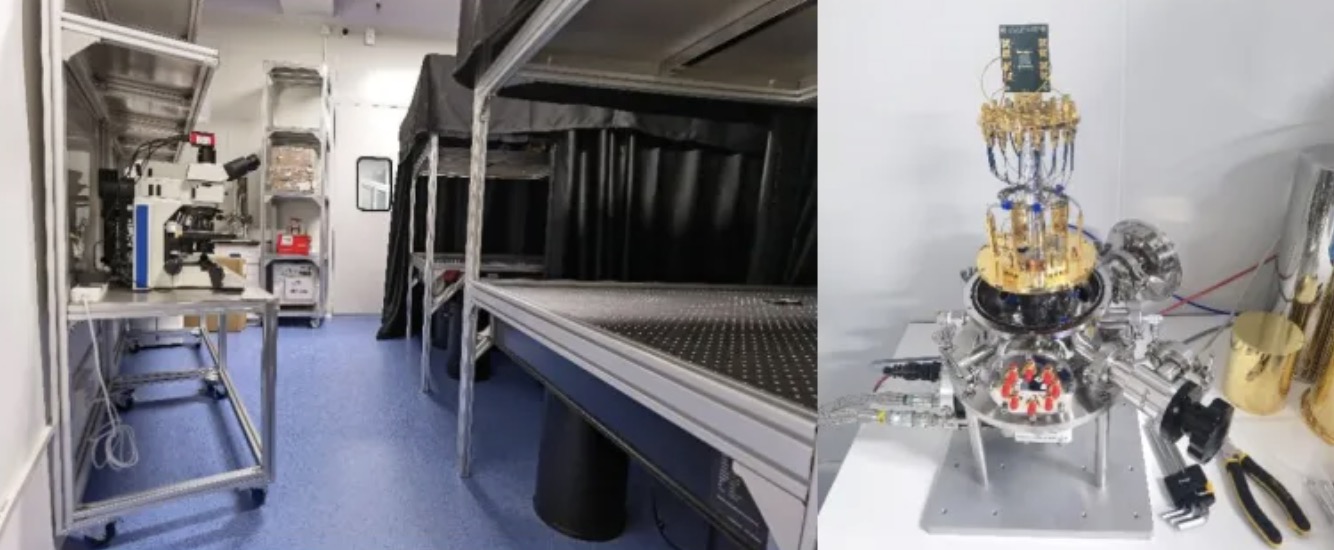
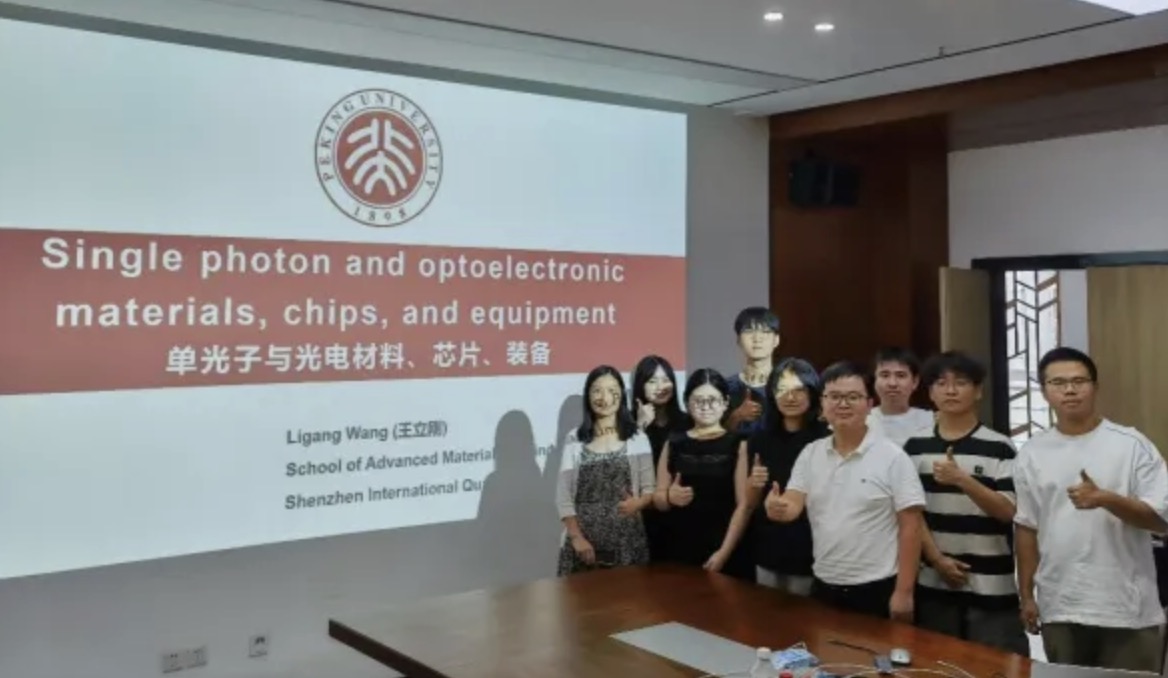
Leading a diverse team of 15 students with backgrounds in physics, materials science, and engineering, Dr. Wang's group is now tackling the entire technology chain of single-photon detectors, from thin-film deposition to chip fabrication and system integration. "A successful research group is built on the talent and hard work of its students," he emphasizes. "My goal is to provide them with first-class facilities, international exposure, and the guidance they need to excel."
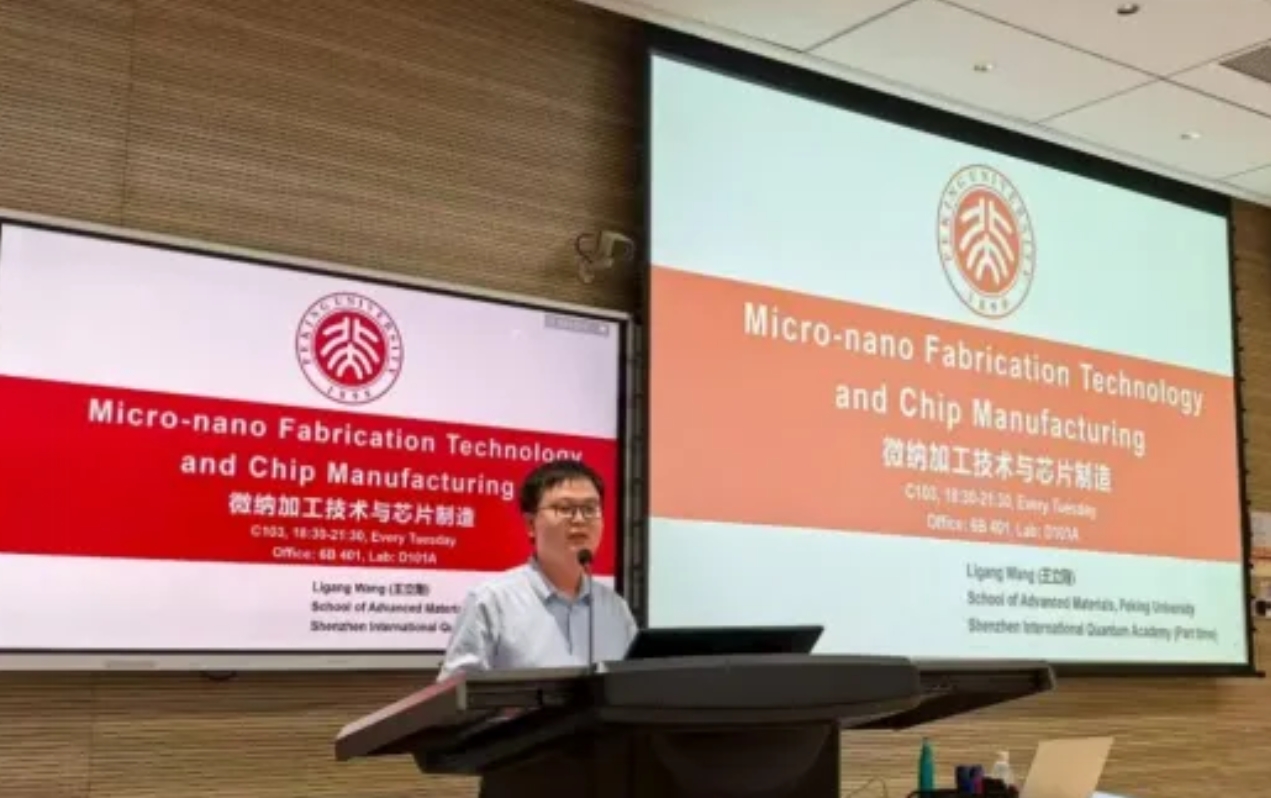
This semester, Dr. Wang is teaching a course on Micro/Nano Fabrication Technology and Chip Manufacturing. Looking ahead, his research will continue to focus on single-photon technologies and functional materials, aiming to make significant contributions in strategically important areas.
A Life in Science: Balance, Perspective, and a Call to Action
Beyond the lab, Dr. Wang is an amateur musician who finds balance by playing the dizi (a Chinese bamboo flute) in quiet park corners—a hobby that once drew an unexpectedly large audience during his time abroad.

Reflecting on the broader mission of scientists, especially in the context of current international competition, Dr. Wang offers a thoughtful perspective. "Researchers at Peking University should align their work with the destiny of our nation," he states. "We must delve deep into fundamental science while maintaining the courage to be pioneers. For young scientists, my advice is this: pursue original research with distinctive character. Don't just follow trends. Understand international frontiers, engage actively with global peers, and aim to solve problems of true scientific and societal significance. The ultimate mission is not just to publish papers, but to translate innovation into tangible productivity that advances society."