Researchers from Peking University and the California Institute of Technology have developed a strain-resilient, intrinsically stretchable electrochemical biointerface that can maintain reliable molecular readings under large mechanical deformation. The study, titled “Strain-resilient intrinsically stretchable electrochemical biointerfaces,” was published online inScience. Prof. Yadong Xu from the School of Advanced Materials at Peking University is the first author, and Professor Wei Gao from Caltech is the corresponding author.
The new platform, called SIRES, is designed to solve a central challenge in soft bioelectronics: how to build sensors that are not only stretchable, but also able to preserve accurate chemical signals while attached to moving biological tissues. By coordinating materials design, interfacial architecture, and electrochemical transport, SIRES maintains high-fidelity electrochemical outputs under tensile strains of up to 300%. It also supports multiple sensing modes, including voltammetric, amperometric, and potentiometric detection.
The team demonstrated the platform in both wearable and implantable formats, including sweat monitoring during exercise and molecular sensing on dynamic tissues such as the stomach, intestine, wound, and bladder. The work offers a new design framework for soft bioelectronic devices intended to operate in real physiological environments.
Why Molecular Sensing on the Body Is Difficult
Soft bioelectronics has made rapid progress in monitoring physical signals such as heart activity, muscle activity, temperature, and pulse. These measurements are essential, but they capture only part of the body’s physiological state. Molecular biomarkers, including metabolites, ions, inflammatory signals, and reactive oxygen species, can provide more direct information about metabolism, disease progression, wound healing, and treatment response. Yet tracking these molecules continuously is much harder than recording electrical or mechanical signals. Electrochemical biosensors depend on stable electrode surfaces, conductive pathways, ion transport, functional coatings, and reference electrodes. When a sensor is placed on tissue that stretches or moves, all of these components can be disturbed.
The body is mechanically dynamic. Skin stretches during motion. The heart beats continuously. The gastrointestinal tract expands, contracts, and moves. Wounds remodel over time. These processes can change electrode morphology, disrupt conductive networks, alter interfacial impedance, and damage sensing layers. Conventional flexible electrochemical devices, which often rely on metal films, rigid conductive layers, or heterogeneous multilayer stacks, can crack, delaminate, or drift under deformation. For practical soft electrochemical bioelectronics, mechanical stretchability alone is therefore not enough. The sensor must also preserve signal fidelity during deformation.
A Three-Layer Interface Built for Strain Resilience
To address this problem, the research team designed SIRES as an all-elastomeric, trilayer electrochemical interface. The system combines a strain-resilient conductor, an electrically tunable interface, and a stretchable functional coating. The strain-resilient conductor maintains electronic transport during stretching. The electrically tunable interface regulates electromechanical coupling and interfacial electrochemical behavior. The stretchable functional coating carries sensing components such as enzymes, electrochemical mediators, and ion-sensitive materials.
Unlike conventional designs that place relatively rigid electrodes on flexible substrates, SIRES integrates electrical conduction, interfacial regulation, and sensing function into a unified elastomeric architecture. This design improves interfacial integrity, reduces delamination risk, and allows the electrochemical interface to remain functional under large deformation.
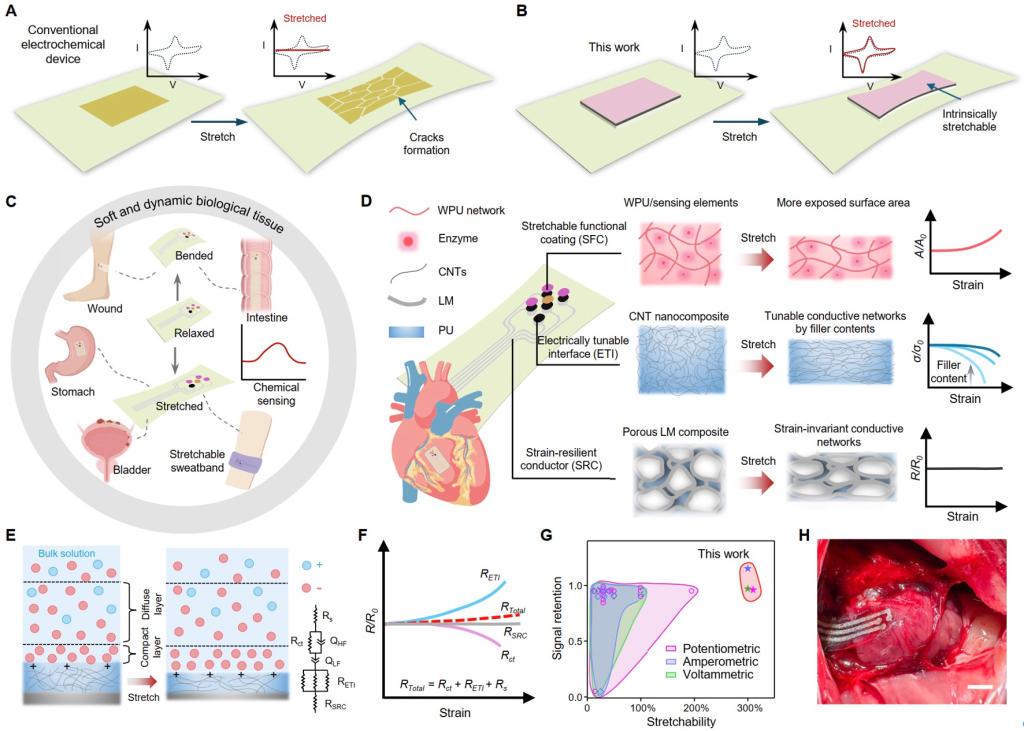
Figure 1. Overview and working principle of SIRES.
SIRES integrates a strain-resilient conductor, an electrically tunable interface, and a stretchable functional coating into an all-elastomeric electrochemical biointerface for molecular sensing on dynamic soft tissues.
Balancing Strain-Induced Changes
A key advance of SIRES is that it does not merely tolerate stretching. It is designed to balance the electrochemical consequences of stretching. When an electrochemical electrode is stretched, two competing effects can occur. Stretching can increase the electrochemically active surface area, which enhances reaction current and lowers charge-transfer resistance. At the same time, it can increase the resistance of conductive networks, which may shift peaks, attenuate signals, and distort electrochemical outputs.
SIRES uses material and interface design to balance these effects at the circuit level. By tuning interfacial resistance and conductive behavior, the platform maintains an approximately constant total resistance during deformation. This allows it to preserve stable electrochemical responses even under large strain.
This mechanism provides a new way to think about deformable electrochemical devices: the goal is not simply to prevent mechanical failure, but to design the full electrochemical interface so that signal transduction remains reliable during motion.
A General Platform for Multiple Sensing Modes
To test the generality of SIRES, the researchers built stretchable electrochemical sensors across three major sensing modes. The platform enabled voltammetric detection of uric acid, amperometric detection of glucose, and potentiometric detection of pH. The team also incorporated intrinsically stretchable reference and counter electrodes, which are essential for complete electrochemical systems.
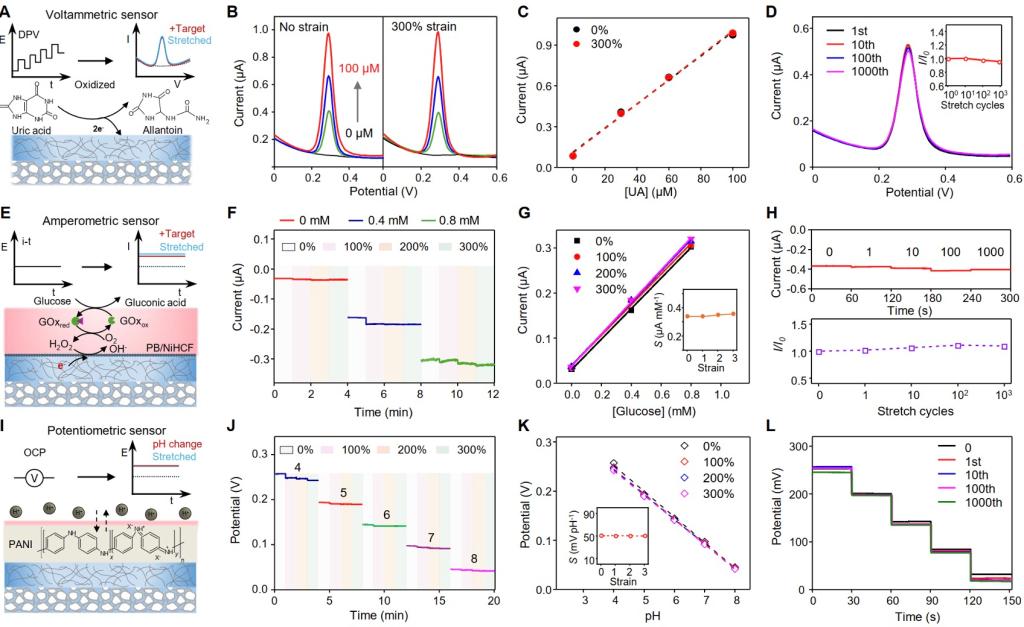
Figure 3. Multimodal stretchable electrochemical sensing with SIRES.
SIRES supports voltammetric, amperometric, and potentiometric sensing, demonstrating its adaptability across different electrochemical modalities and molecular targets.
These demonstrations show that SIRES is not limited to one molecule or one type of electrochemical readout. Instead, it can support different electrochemical reaction mechanisms and sensing chemistries, making it a broadly adaptable interface for future soft bioelectronic systems.
Wearable Monitoring During Exercise
The team next integrated SIRES into a stretchable, breathable sweatband for wireless wearable sensing. The device continuously monitored glucose, lactate, and pH in sweat, while transmitting data through a flexible electronic module.
During cycling, running, rowing, and elliptical exercise, the sweatband maintained stable outputs. Because the device is soft and stretchable, it can conform to body surfaces without relying on rigid materials or conventional adhesive-based designs. This makes it well suited for applications in exercise physiology, metabolic monitoring, and personalized health assessment.
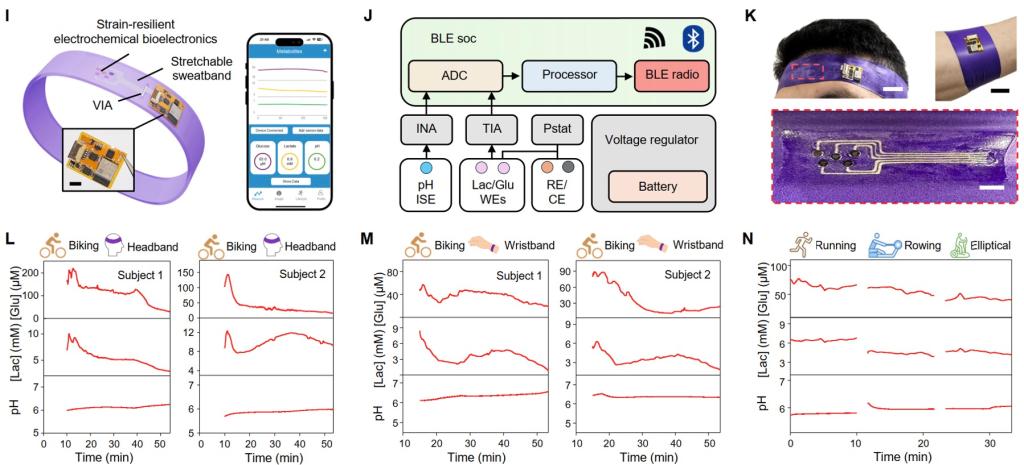
Figure 4. SIRES-based wearable sweat monitoring system.
A stretchable wireless sweatband incorporating SIRES enables continuous monitoring of sweat glucose, lactate, and pH during different exercise activities.
Implantable Sensing on Dynamic Organs and Tissues
Beyond wearable monitoring, SIRES was also evaluated in implantable settings where mechanical deformation is even more complex. The researchers demonstrated molecular sensing on several dynamic tissue environments, including the stomach, wounds, intestine, and bladder. The platform was used for gastric dietary-response monitoring, gastric leakage detection, inflammatory analysis in diabetic wounds, lactate monitoring associated with inflammatory bowel disease, and hydrogen peroxide detection in a bladder tumor model.
These demonstrations highlight the potential of strain-resilient molecular interfaces for monitoring biological processes that are difficult to capture with conventional intermittent tests. In vivo implantation studies also indicated favorable biocompatibility, supporting the possibility of longer-term implantable monitoring.
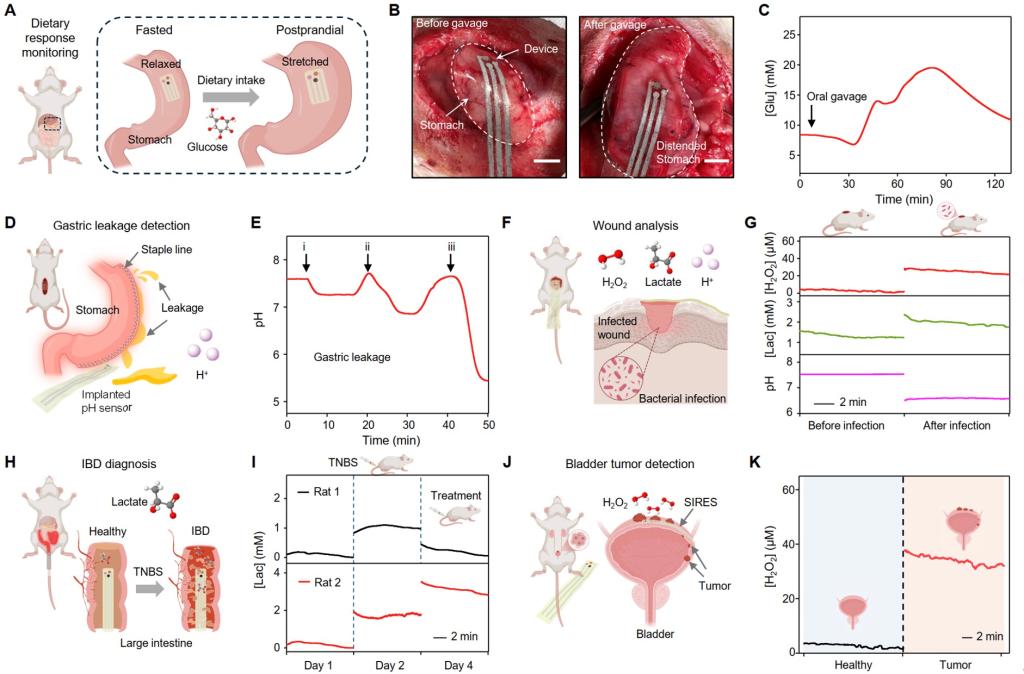
Figure 5. Implantable molecular sensing on dynamic tissues using SIRES.
SIRES enables stable monitoring of glucose, pH, lactate, and hydrogen peroxide across dynamic tissue environments, highlighting its potential for implantable precision sensing.
Toward Reliable Molecular Bioelectronics in Real Physiological Environments
The broader significance of this work lies in its shift from “stretchable devices” to “strain-resilient signal transduction.” In real biological environments, soft sensors must do more than deform with the body. They must maintain reliable chemical information while tissues move, expand, contract, and remodel.
SIRES provides a strategy for doing so by integrating materials engineering, interfacial design, and electrochemical transport regulation. This work reveals how changes in active surface area, interfacial impedance, and conductive network resistance can be balanced to preserve electrochemical signal fidelity under strain. Technologically, it establishes a versatile interface that can be adapted to multiple sensing modalities and tissue environments.
In the future, this type of strain-resilient electrochemical biointerface could support applications in exercise health management, chronic disease monitoring, postoperative complication warning, wound infection assessment, gastrointestinal disease tracking, tumor microenvironment analysis, and closed-loop precision medicine.
For soft bioelectronics to move from laboratory prototypes toward real healthcare use, devices will need to be comfortable, integrated, and wireless. But just as importantly, they will need to remain accurate in the mechanically complex environment of the human body. SIRES offers one possible path toward that goal.
Author: Dr. Yadong Xu is an assistant professor at Peking University Shenzhen Graduate School. He was a postdoctoral researcher in Medical Engineering at California Institute of Technology. He received B.S. in Materials Chemistry from Sichuan University, M.Res. in Drug Sciences from University College London, and Ph.D. degree in Chemical Engineering from University of Missouri Columbia. His research focuses on pioneering next-generation bio-integrated electronics to address unmet clinical needs in precision and personalized healthcare. His work establishes a synergistic pipeline that spans from the fundamental design of soft biomaterials and scalable manufacturing to the development of self-powered, multimodal wearable and implantable devices, enhanced by artificial intelligence for advanced data analysis and diagnostics.
He is a recipient of the Science Fund Program for Distinguished Young Scholars of the NSFC (Overseas), Chinese Government Award for Outstanding Self-financed Students Abroad, Outstanding Chemical Engineering PhD Student Award, and Raymond White Dissertation Year Fellowship. He is an Editorial Board Member of Discover Electronics (Springer Nature). He has published more than 20 research articles, includingScience,Nature Nanotechnology,Science Advances,Proceedings of National Academy of Sciences of the United States of Americaas first author, with over 2,000 citations. His research was highlighted by Nature, Nature Nanotechnology, Matter, and has been extensively disseminated across a number of media outlets. Group website:https://sites.google.com/view/yadong-xu.
Link to the paper:science.org/doi/10.1126/science.aed1630