Cultivating a Spirit of Innovation, Embracing the Challenge of Frontier Research; Fulfilling the Duties of a Party Member through Integrity and Innovation in Action. As a PhD student in the Class of 2018 at the School of Advanced Materials (SAM), Peking University, Shisheng Zheng has demonstrated exceptional research capabilities, achieving remarkable academic success. He has published 21 SCI-indexed papers, including 9 high-impact articles (as first or co-first author) in top-tier journals such as Nature. Alongside his research, Zheng has actively participated in student affairs and Party activities, living out his responsibilities as a Communist Party member. He has served as Party Secretary of the 2018 grade of the SAM, the vice president of the Graduate Student Union of the SAM and was a founding member and key organizer of the Graduate Student Party Building Research Association at PKU Shenzhen, holding roles such as Director of the Activities Department and Executive Vice President. His dedication and leadership have earned him numerous honors, including the National Scholarship, Peking University May Fourth Student Medal, Outstanding Communist Party Member of Peking University, Model Student of Peking University, and Outstanding Student Cadre of Peking University.
Unlocking the “Secrets” of Water
Peking University stands as China’s highest academic institution, advancing with the times. Shenzhen, as a pioneering demonstration zone for socialism with Chinese characteristics, represents the forefront of reform and opening-up. In 2018, when Shisheng Zheng first arrived at PKU Shenzhen Graduate School, he asked himself: How should I spend my graduate years in this southern branch of Peking University, located at the frontier of change? The academic ethos of PKU—diligence, rigor, realism, and innovation—resonates with Shenzhen’s special zone spirit of pioneering, innovation, unity, and dedication. Innovation is the common thread. As a PKU student based in Shenzhen, Zheng made innovation his core pursuit.
For a young scientist like Zheng, innovation means conducting original research that addresses the urgent needs of national and societal development. Among these needs is the "dual carbon" goal, a crucial strategy in China’s green transition. Achieving this requires shifting the energy structure and advancing clean energy technologies. Among them, hydrogen energy—as one of the most promising clean energy carriers—has garnered significant attention. Under the mentorship of Professor Feng Pan at the SAM, Zheng and his collaborators took on a key question: How does the structure of water molecules at the interface influence electrocatalytic hydrogen evolution?
Through experimental investigations, the team found that the presence of electrolyte cations (e.g., Na⁺) in solution caused interfacial water molecules to differentiate into distinct types. These types varied in population with changes in electrode potential, and the system’s hydrogen evolution performance was notably enhanced. The strategy was simple and effective—but the underlying microscopic mechanism remained elusive.
To fill in this missing piece, Zheng and his team dedicated over two years to a difficult research campaign. Zheng recalls the mental toll: sleepless nights, self-doubt, and times when the direction seemed lost. Yet, perseverance paid off. The turning point came during a team brainstorming session. “I still vividly remember how we sat around a small table,” Zheng said, “jotting down ideas on scrap paper, reasoning through the logic step by step. Gradually, the core mechanism emerged with clarity, and the confusion that had troubled us for so long was resolved.” They discovered that without sodium ions, the interfacial water molecules remained disordered. But when sodium ions were introduced, their electrostatic interactions induced ordered alignment of water molecules, resulting in observable changes in molecular types and populations. These ordered water molecules moved closer to the interface and showed higher reactivity, a transformation from disorder to order. “When the full logic finally clicked,” Zheng shared, “I felt a profound joy—a resonance with science itself.”
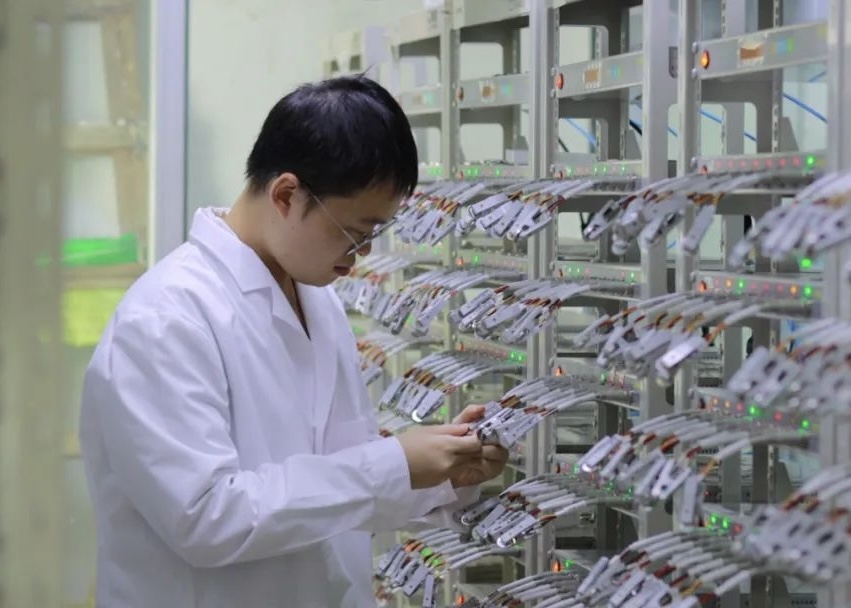
Figure 1. Zheng Shisheng Conducting Research in the Laboratory
Under the guidance of Professor Feng Pan, Shisheng Zheng collaborated closely with his research team in a joint effort that spanned over two years. Together, they successfully developed a microscopic theoretical model of interfacial ordered water accelerating catalysis, which provided a breakthrough explanation for the observed phenomena. The team proposed the novel concept of cation-assisted catalysis, offering both a fundamental understanding and practical strategies for performance enhancement in the field. This research was ultimately published in the prestigious journal Nature, with Shisheng Zheng as a co-first author.
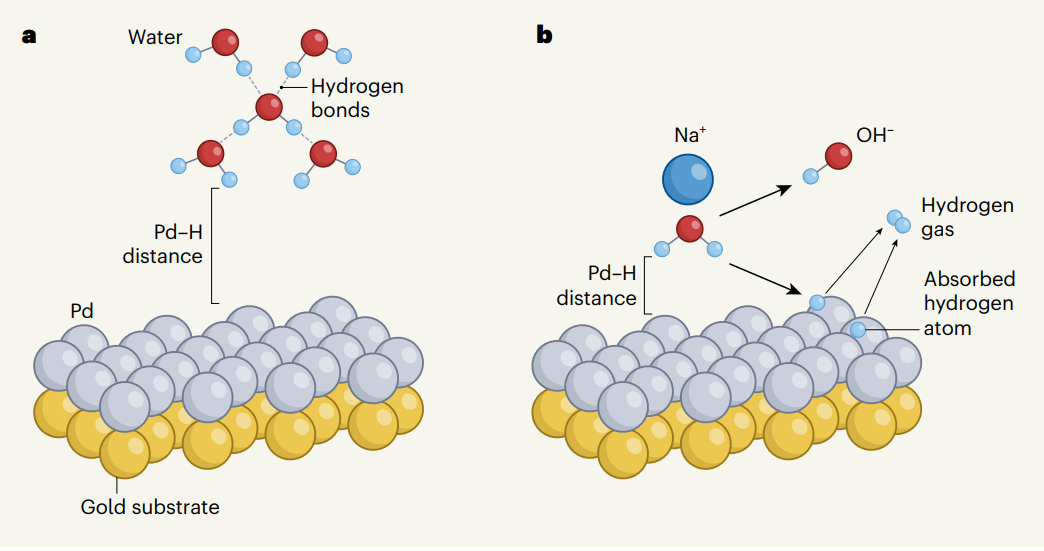
Figure 2. Schematic Illustration of the Research Mechanism
When talking about scientific research, Shisheng Zheng shared that his original motivation stemmed from a deep curiosity about the world. However, he noted that the journey of scientific exploration demands patience and solitude. He spends most of his time commuting between the laboratory and his dormitory—this simple, focused lifestyle has shaped his calm and steady personality. It is the richness of thought and academic inquiry that has filled his life with meaning, constantly pushing him to encounter new ideas, explore unknown boundaries, and engage in deeper reflections on research itself. When asked how to identify valuable research topics and navigate the challenges of a project, Zheng replied: “Peking University’s unique spirit of ‘Weiming Lake in sight, the Yellow River in heart’ instills in me a deep sense of national responsibility, encouraging me to approach research with a broader vision. At the same time, the pioneering spirit of Shenzhen, where PKU Shenzhen Graduate School is located, gives me the courage to venture into the ‘uncharted territories’ of science.”

Figure 3. Jing Lake at PKU Shenzhen Graduate School
Discovering the Truest Version of Oneself
Amid the intense and demanding pace of research, Shisheng Zheng finds balance and stress relief through sports. Firmly believing in the motto “A sound mind begins with a strong body,” he actively engages in running, swimming, badminton, and particularly enjoys outdoor hiking. One of his most memorable experiences was participating in the Outdoor Leadership Program organized by the General Education Center of PKU Shenzhen. Over the course of a semester, he learned survival skills, took part in high-altitude challenges, and completed a 30-kilometer team-based hiking and camping expedition in the mountains. Reflecting on this journey, Zheng shared:“Being in close contact with nature helps me discover my truest self. Hiking constantly pushes the limits of body and mind—limits we’re often unaware of when we’re in our comfort zones. Our biological instincts try to keep us away from danger, but ‘danger’ is often a construct of fear and imagination. When you truly reach your limits, overcoming them usually just takes a little courage and persistence—and through that, you feel yourself growing.”

Figure 4. Shisheng Zheng Hiking in the Wilderness
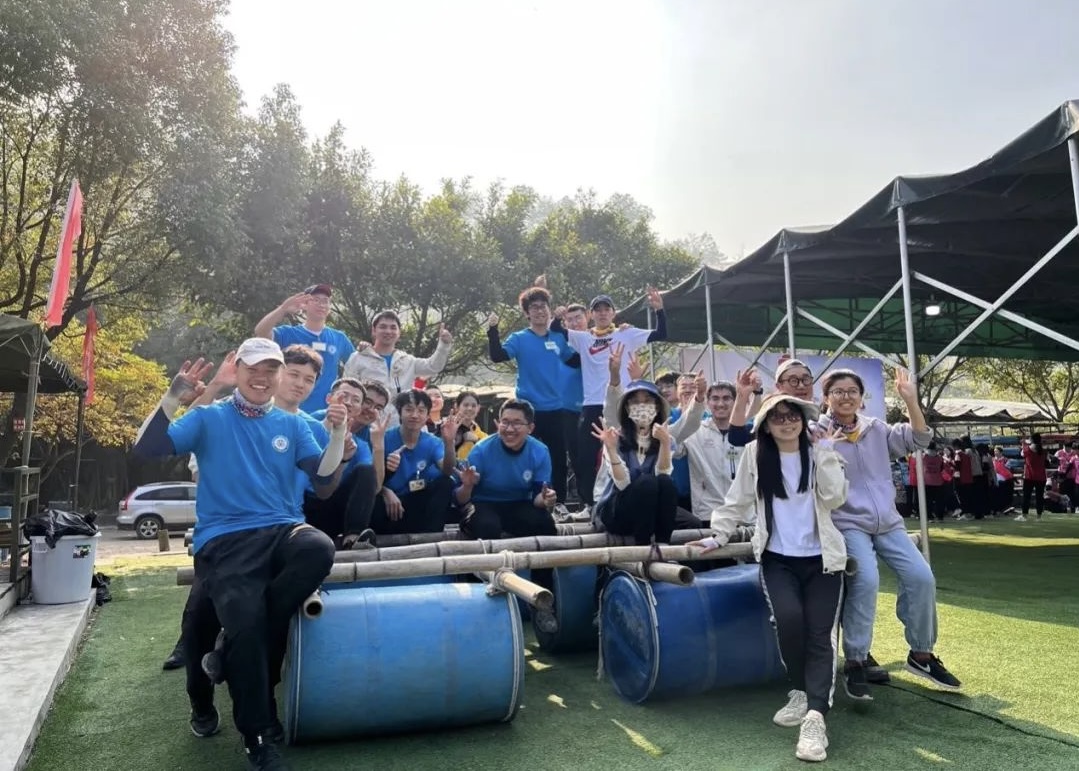
Figure 5. Zheng Shisheng and Teammates Building a Bamboo Raft
Completing a 30-kilometer trek required mutual support among teammates; successfully crossing the lake demanded collective effort in raft-building; climbing over a 4.2-meter wall was only possible with someone willing to become a human ladder. Through these shared challenges, Shisheng Zheng came to a deeper realization: individual strength is limited—only through teamwork can difficulties be overcome. In every act of collaboration, mutual trust, and encouragement, he gained a profound understanding of what it truly means to “stand united.”
Dedication and Service
While steadily advancing on the long road of scientific research, Shisheng Zheng never forgets his responsibilities as a Party member. He has served as Party Secretary of the 2018 grade of the SAM, Vice President of the Graduate Student Union, and has been a key force in establishing the Graduate Student Party Building Research Association at PKU Shenzhen. This organization plays a crucial role in coordinating the 55 student Party branches across the campus, supporting the construction of a “top-down linkage, tiered management” organizational structure that significantly improved the operational efficiency of student Party activities. Under the leadership of the PKU Shenzhen Party Committee, Zheng, as Executive Vice President of the association, actively participated in drafting key Party work documents, took the lead in organizing the first student Party leadership training program, launched a student-led lecture and outreach team, and consistently embodied the mission of the Party through concrete actions, living up to his role as a pioneer and role model.
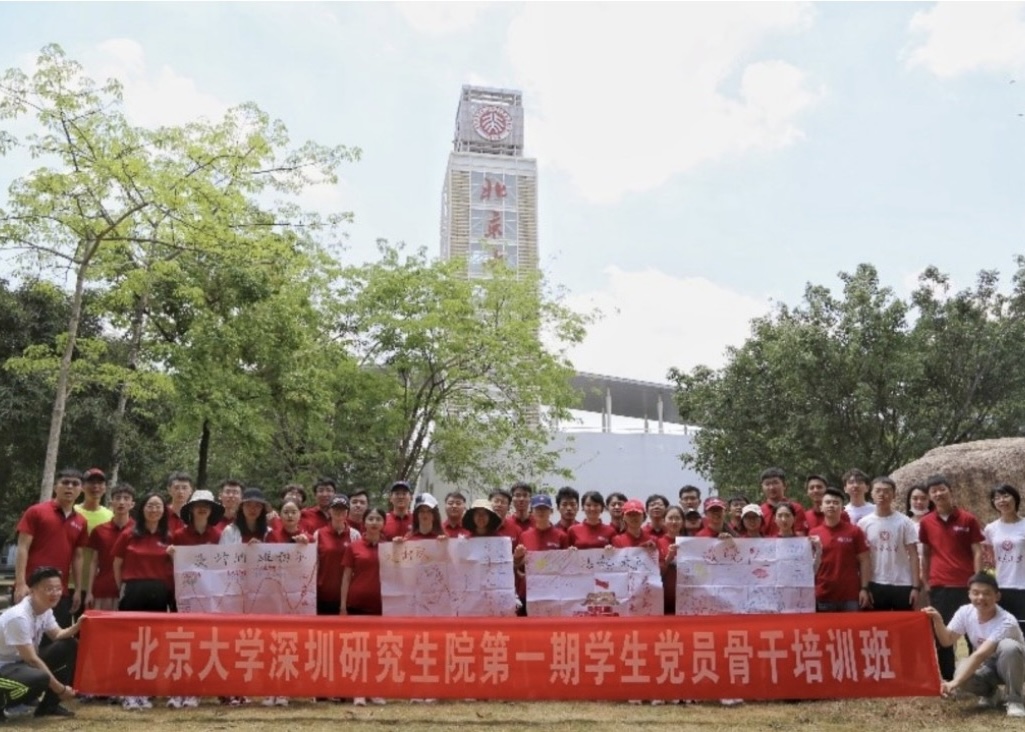
Figure 6. Shisheng Zheng Leading the First Student Party Cadre Training Program
He shared: “Interest is the driving force behind my involvement in student work. On one hand, engaging in meaningful activities and striving to do them well brings me joy—it serves as a welcome balance to the intensity of research. On the other hand, it allows me to think about how the world works from the perspective of social practice. I often find that the underlying logic of natural laws and societal systems is remarkably similar.” For the same reason, Zheng has maintained a habit of reading books in the humanities and social sciences. During his undergraduate years, he even pursued a minor in journalism and communication, reflecting his interdisciplinary curiosity and commitment to holistic learning.
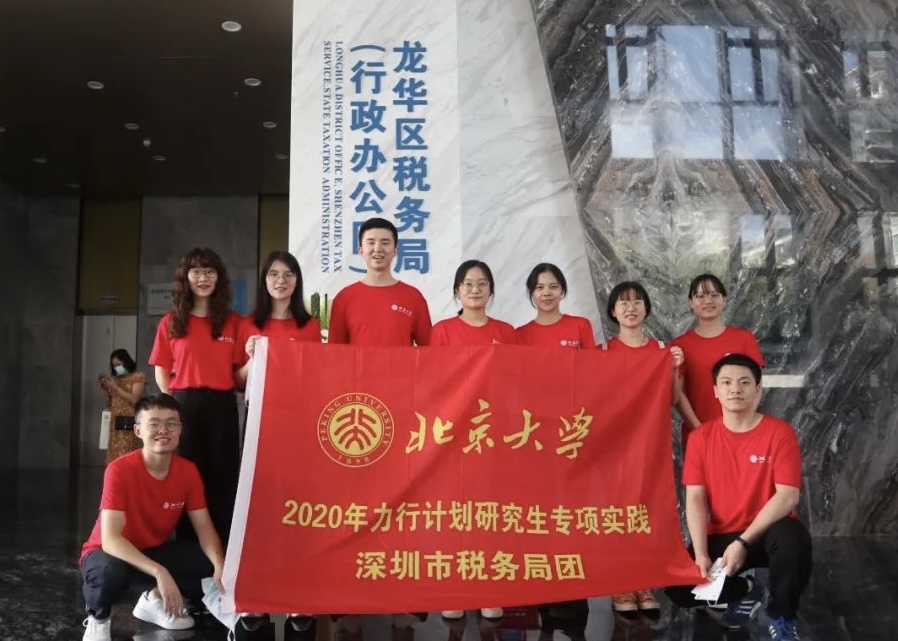
Figure 7. Shisheng Zheng (first from left) Participating in the “Lixing Program”
During a visit to a primary school for a science outreach session, Shisheng Zheng captivated children with fun chemistry experiments like “leaf vein bookmarks” and “invisible ink.” As the classroom filled with spontaneous exclamations of wonder, he planted the seeds of scientific curiosity in young minds. At a nearby middle school, he delivered a school history talk, recounting the inspiring stories of renowned Peking University alumni such as Youyou Tu and Yonghuai Guo, encouraging students to set lofty aspirations and pursue them with grounded perseverance. Through these efforts, Zheng exemplifies the social responsibility and civic commitment of a Peking University student, using his actions to inspire the next generation.

Figure 8. Shisheng Zheng (back row, far right) Conducting Science Outreach at a Primary School
Immersed in the open and inclusive atmosphere of Peking University, Shisheng Zheng has boldly explored the many possibilities life has to offer. This journey has led him to realize that there is no single “optimal” path in life—each road presents its own unique scenery. “No matter which path you take, as long as you stay true to yourself and approach everything with sincerity and diligence, you will find your own sense of value,” he reflects. In the great journey of this new era, he is riding the waves—and finding his own meaningful ripple along the way.