Developing high-performance cobalt-free high-nickel cathode materials is crucial for enhancing the energy density of lithium-ion batteries. However, high-nickel cathodes often face challenges such as crystal structure degradation and excessive surface side-reaction activity during cycling, which significantly hinder their commercial application. To address these issues, the research team employed a suite of advanced characterization techniques to systematically reveal, for the first time, the impact mechanism of lithium occupancy on the electrochemical performance of high-nickel cathode materials. They also designed two cathode materials with high cycling stability.
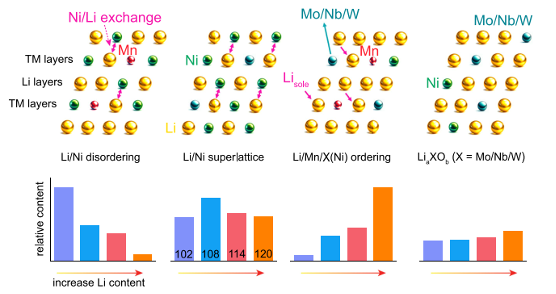
Figure 1. Lithium Occupancy Regulation Strategy for Cobalt-Free High-Nickel Cathode Materials
Professor Feng Pan from the School of Advanced Materials (SAM) at Peking University’s Shenzhen Graduate School, in collaboration with Professor Helmut Ehrenberg and Dr. Sylvio Indris from Karlsruhe Institute of Technology in Germany, utilized lithium-sensitive characterization techniques, including neutron diffraction and lithium isotope solid-state nuclear magnetic resonance, to thoroughly analyze the occupancy of different lithium sites and related structural components in high-nickel cathode materials. The study found that by introducing high-valence doping elements (such as Mo6+, Nb5+, and W6+) and adjusting the lithium salt content during synthesis, the proportion of lithium-containing structural components in the material could be effectively regulated, thereby optimizing its electrochemical performance. The results showed that as lithium content in the material increased, lithium/nickel exchange defects decreased, while lithium-rich structural units (such as LiaXOx and Li/Mn/X(Ni) ordered phases, where X = Mo, Ni, W) increased. These structural units significantly improved the cycling stability of high-nickel cathode materials by suppressing lithium/nickel exchange and introducing additional oxygen redox mechanisms. This study not only provides new insights into understanding the lithium occupancy mechanisms in high-nickel cathode materials but also offers critical theoretical guidance for developing high-performance cobalt-free high-nickel cathodes. The findings were published in the internationally renowned journal Nature Communications under the title “Tuning Li occupancy and local structures for advanced Co-free Ni-rich positive electrodes” (DOI: 10.1038/s41467-025-57063-7).
The work was completed under the joint guidance of Professor Feng Pan from the School of Advanced Materials at Peking University’s Shenzhen Graduate School, Professor Helmut Ehrenberg, and Dr. Sylvio Indris from Karlsruhe Institute of Technology. Dr. Hang Li, a Sino-German exchange postdoctoral researcher at the SAM, was the first author of the paper. The research was supported by the Major Scientific Infrastructure Project for Materials Genome Facilities Platform of the Shenzhen Development and Reform Commission, the Guangdong Basic and Applied Basic Research Fund, the Guangdong Soft Science Research Project, the International Joint Research Center for Power Batteries and Materials for Electric Vehicles, and the Shenzhen Science and Technology Research and Development Fund.
Link to the paper: https://www.nature.com/articles/s41467-025-57063-7