A research team led by Tong Lianming, Associate Dean of the School of Advanced Materials at Peking University Shenzhen Graduate School, has won first place in the AI4S Scientific Intelligence Application track at the inaugural "Shenzhi Cup" AI Innovation Competition, held during the 2026 World Artificial Intelligence Conference (WAIC) in Shanghai.
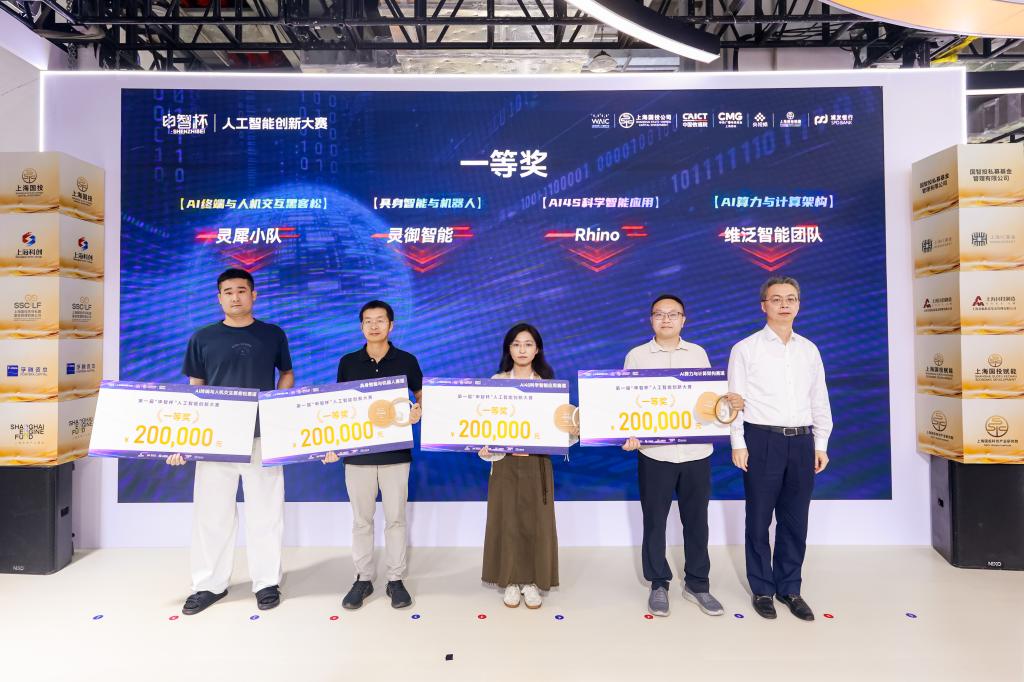
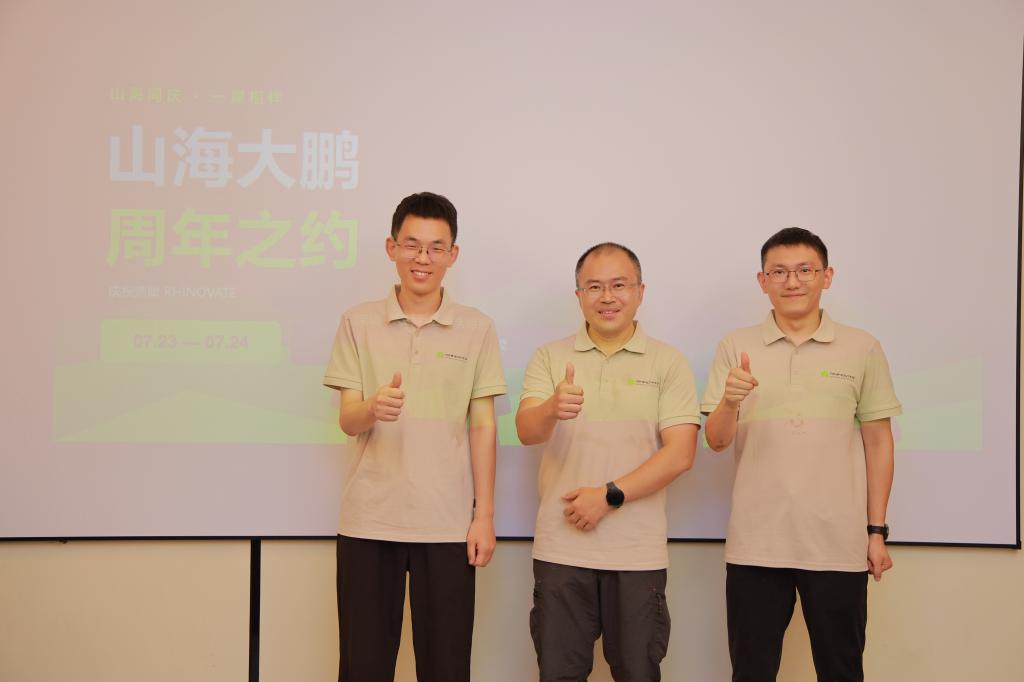
The Rhino team—comprising PKU scientists and industry partner Rhinovate™—competed against 467 entries and secured the top prize with CarbonKylin™, an intelligent platform for accelerated new materials discovery.
CarbonKylin™ leverages a proprietary "matter compilation" framework that treats microscopic composition, interface structures, and process parameters as programmable "code." The system integrates automated experimentation, multi-scale computation, and predictive modeling into a closed-loop workflow. Guided by a multi-agent AI system, it continuously designs, executes, and refines experiments to meet target performance criteria.
The platform's impact is striking:
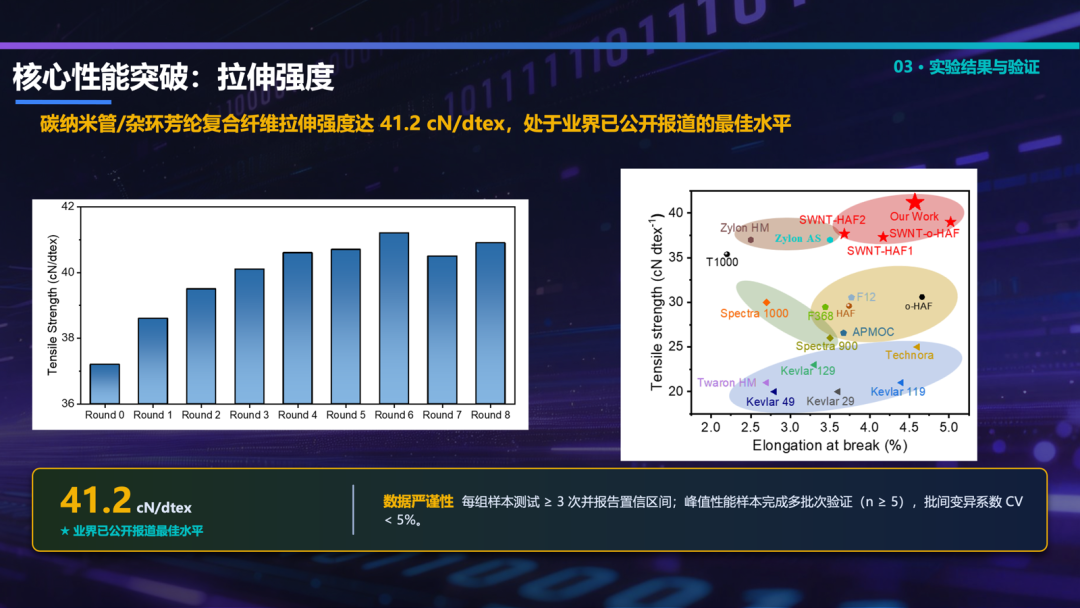
Performance:Carbon nanotube/heterocyclic aramid composite fibers achieved a tensile strength of 41.2 cN/dtex—among the best publicly reported to date.
Efficiency:In a composite fiber optimization task spanning 10,000 search spaces, the system compressed a conventional 2,000-day R&D cycle to just 4 days—a 500-fold improvement.
Versatility:Without changing raw materials or production lines, the platform enables precise switching across four performance profiles—balanced, ultra-strong, ultra-tough, and ultra-strong-tough.
Unlike conventional AI tools limited to literature Q&A or property prediction, CarbonKylin™ conducts real physical experiments, generates high-quality proprietary data, and delivers verifiable material outcomes—moving beyond simulation into tangible R&D impact.
"This recognition reflects the power of integrating AI with experimental materials science," said Prof. Tong. "We are committed to pushing the boundaries of intelligent R&D for next-generation materials."
The win highlights Peking University's growing leadership at the intersection of AI and materials innovation, and underscores the value of academia-industry collaboration in tackling complex scientific challenges.