What does it take to keep a spacecraft alive in deep space? How do you build a home on Mars? And what kind of material can handle the inside of a jet engine?
Visitors to Peking University's first Interstellar Materials Culture Festival — held April 24, China Aerospace Day, at Centennial Memorial Hall Square — got to explore those questions with their own hands.
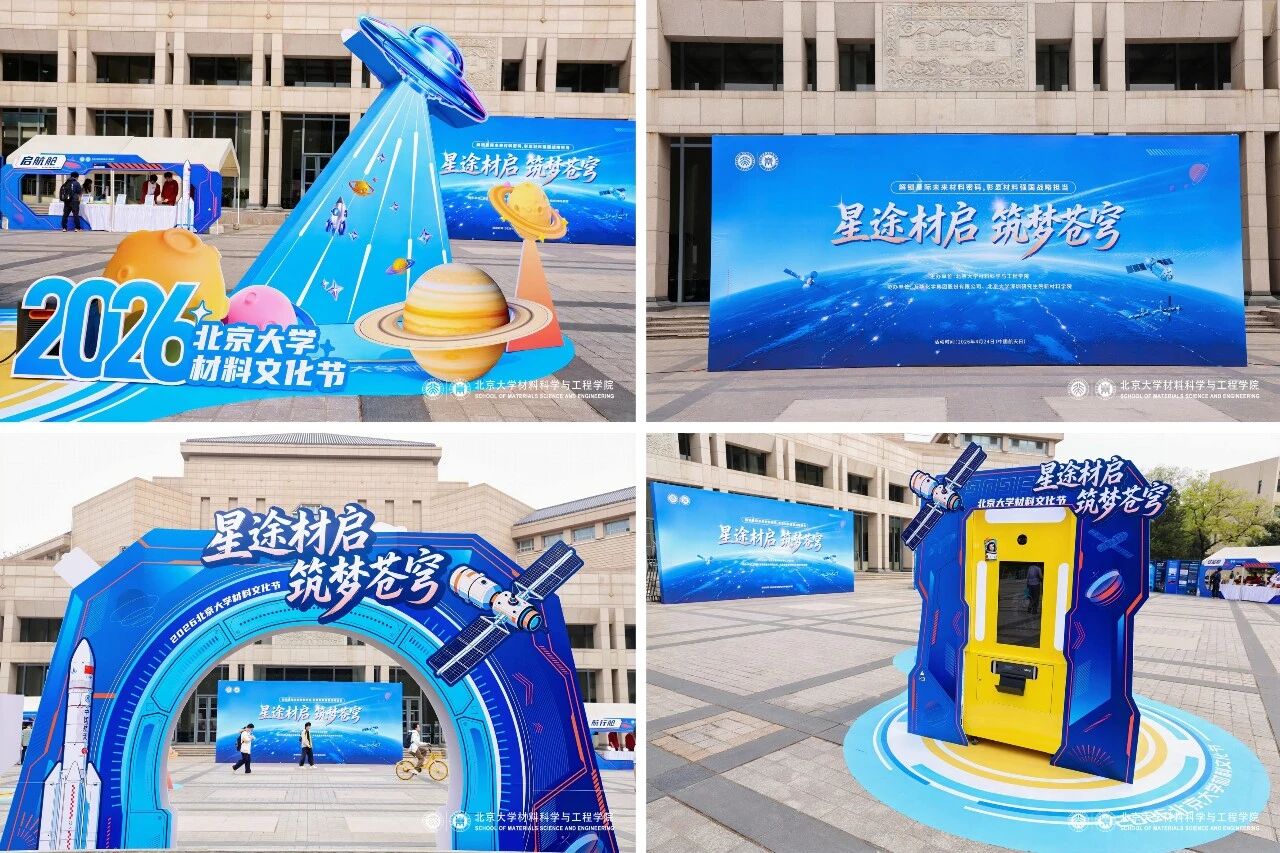
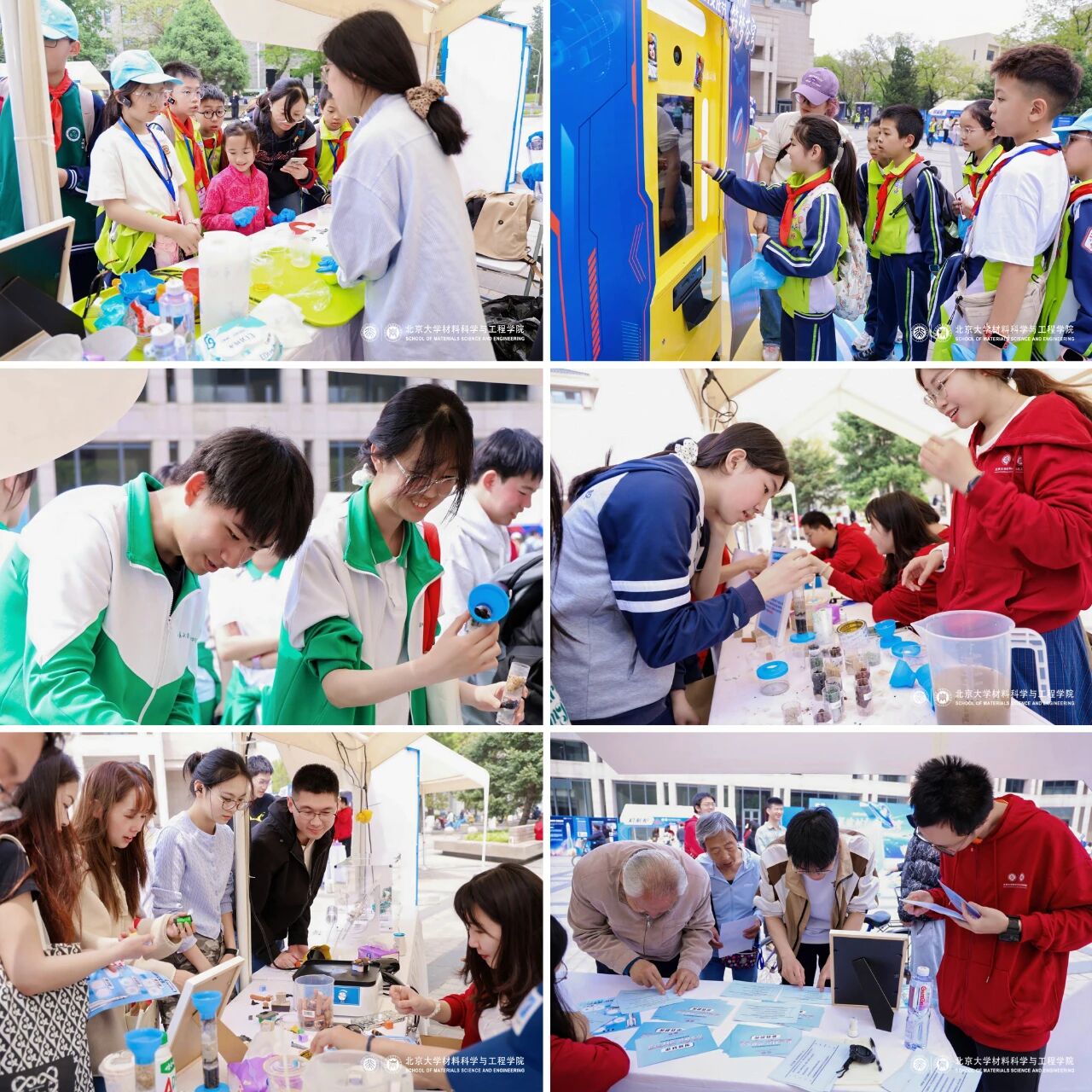
The one-day festival, organized by PKU's School of Materials Science and Engineering and co-hosted by Wanhua Chemical Group and the School of Advanced Materials at PKU Shenzhen, turned complex materials research into an immersive space journey. Five themed zones — Departure, Voyage, Settlement, Development, and Leap — guided visitors through the challenges of space exploration: escaping Earth's atmosphere, surviving extreme cold and radiation, building long-term habitats on the Moon or Mars, extracting resources, and eventually leaping toward future interstellar civilizations.
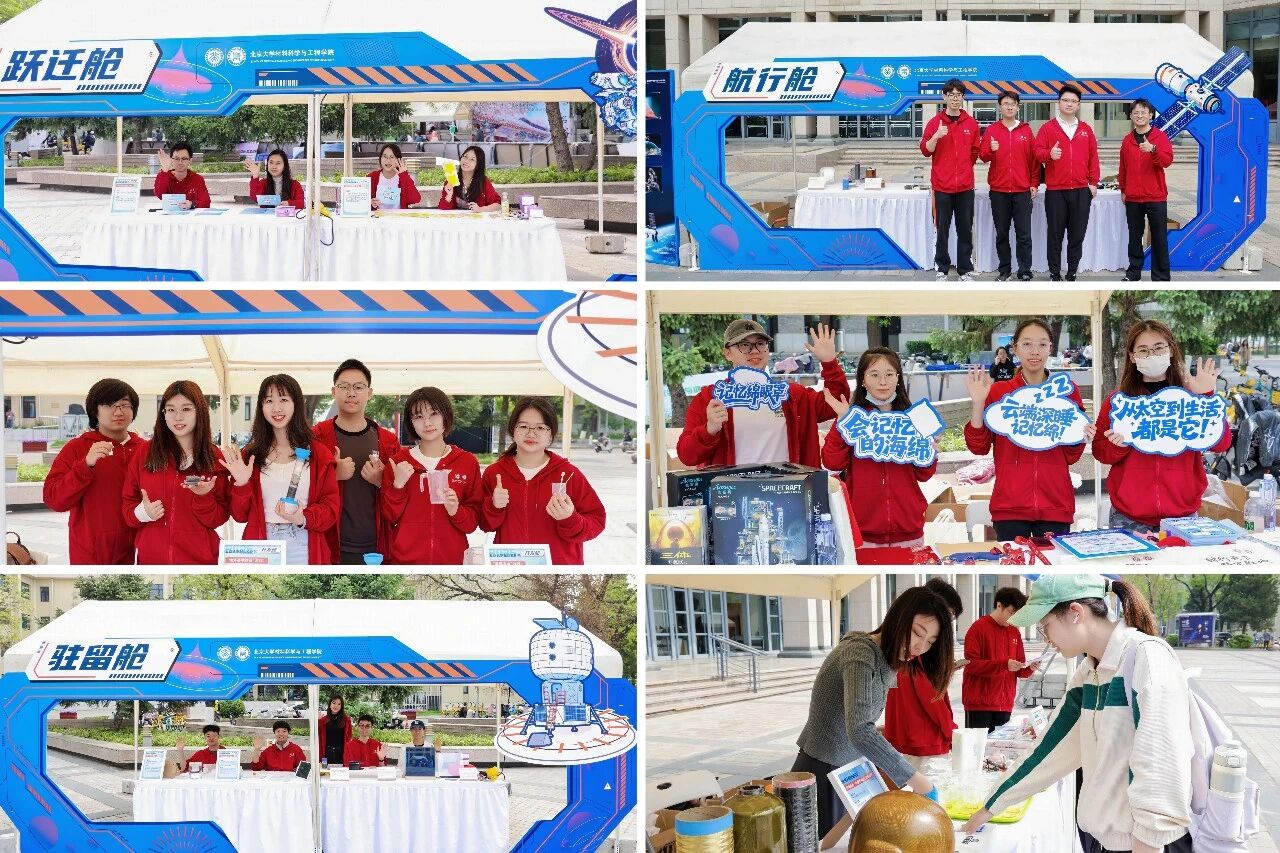
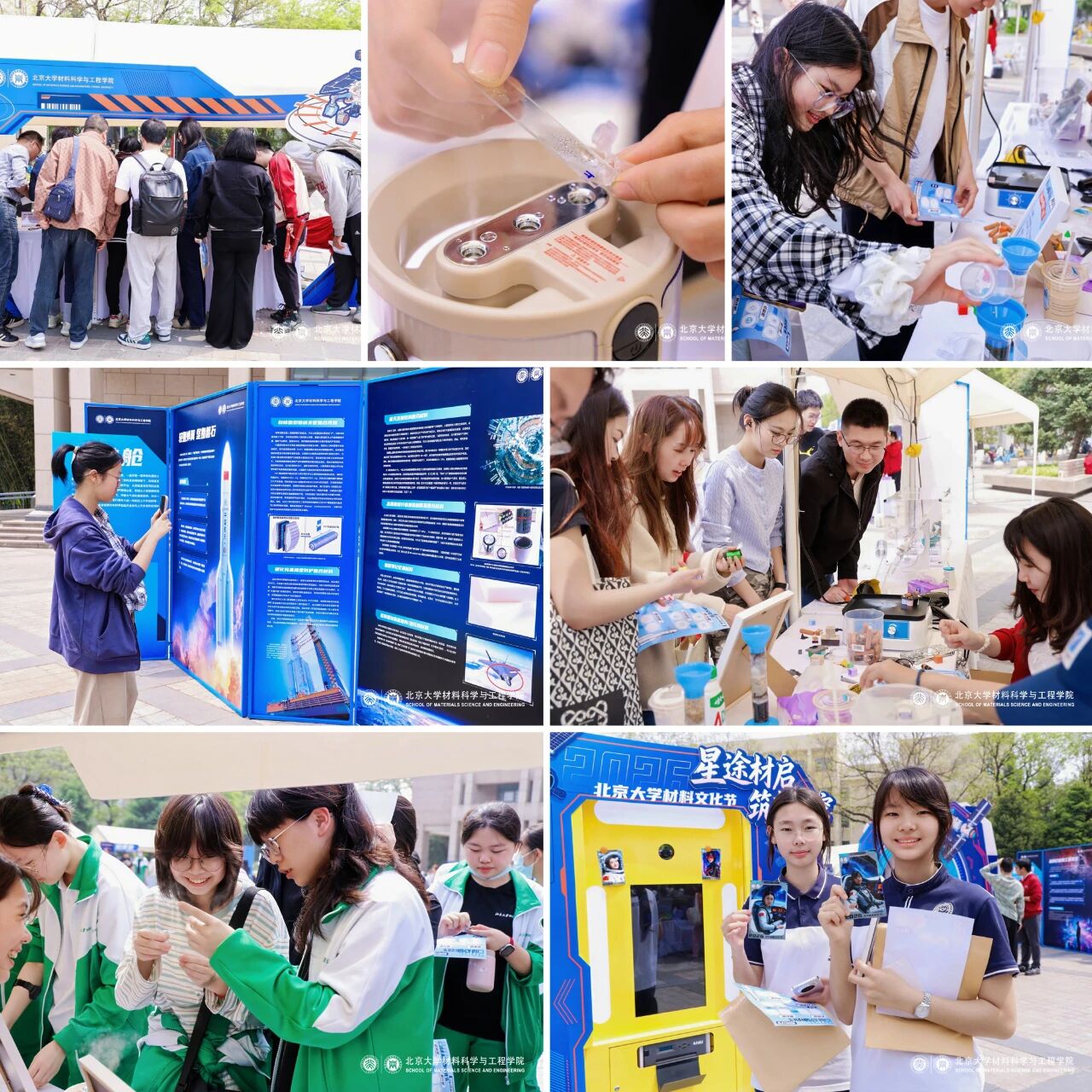
Each zone mixed science panels, physical exhibits, and hands-on activities. Visitors could observe material properties under simulated conditions, try out flexible sensors, test thermal management models, watch energy storage demonstrations, and even interact with a brain-computer interface prototype. The festival also included quizzes, scavenger hunts, and space-themed challenges — turning hardcore materials science into something you could touch, wear, or compete with.
Jin Zhang, Executive Vice President of Peking University and academician of the Chinese Academy of Sciences, toured all five zones. He praised the festival's approach of using public science engagement to connect national aerospace strategy with grassroots education, and encouraged the school to keep using creative outreach to spark young people's interest in scientific innovation.
The School's Dean, Ruqiang Zou, and Party Secretary, Ming Li, also spent time at the event, talking with students and visitors about the role materials science plays in China's push for greater technological self-reliance.
The same afternoon, the festival continued indoors. Jian Jiao, a researcher and chief engineer at AECC Beijing Institute of Aeronautical Materials, delivered a lecture titled "A Game-Changing New Material for Aero-Engines: An Overview of Ceramic Matrix Composites (CMCs)" at the library's art lecture hall. He walked the audience through how CMCs work, recent breakthroughs, and why they matter for next-generation aviation engines.
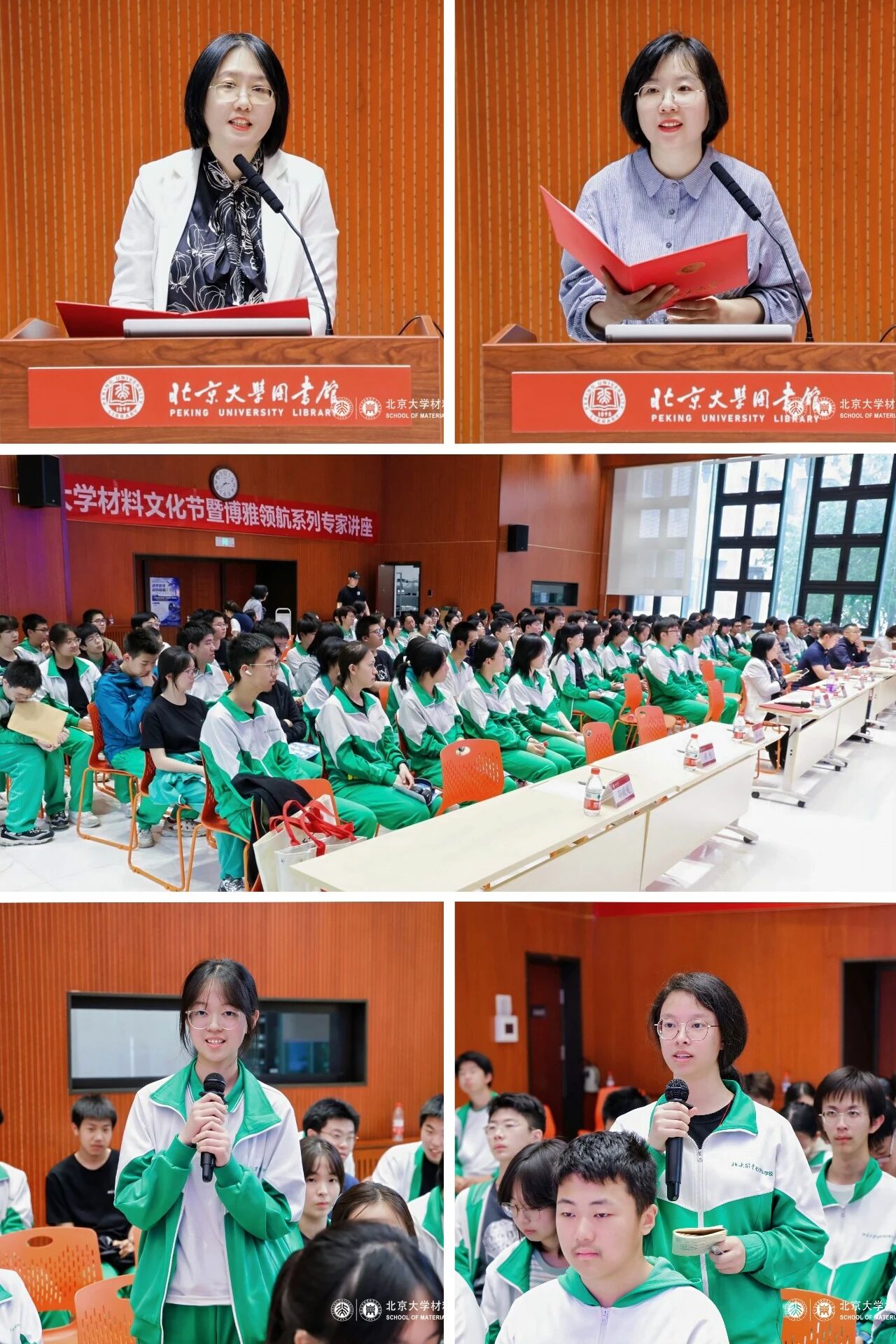
By the end of the day, visitors had collected stamps, answered quiz questions, and maybe even learned why ceramic composites are a big deal. But more than that, they walked away with a clearer sense of what materials scientists actually do: solve real problems, one atom at a time.